
Construction sites are the heartbeat of urban development, responsible for creating the buildings, roads, bridges, and infrastructure that shape our daily lives. Yet, for beginners or those outside the construction industry, the term “construction site” can seem broad or intimidating. Understanding what a construction site entails is essential for anyone interested in construction, architecture, civil engineering, or project management.
This guide will explain everything from the definition of a construction site, its components, roles of workers, safety requirements, processes, and best practices. By the end, you’ll have a comprehensive understanding of what happens behind the scenes of every construction project.
What is a Construction Site?
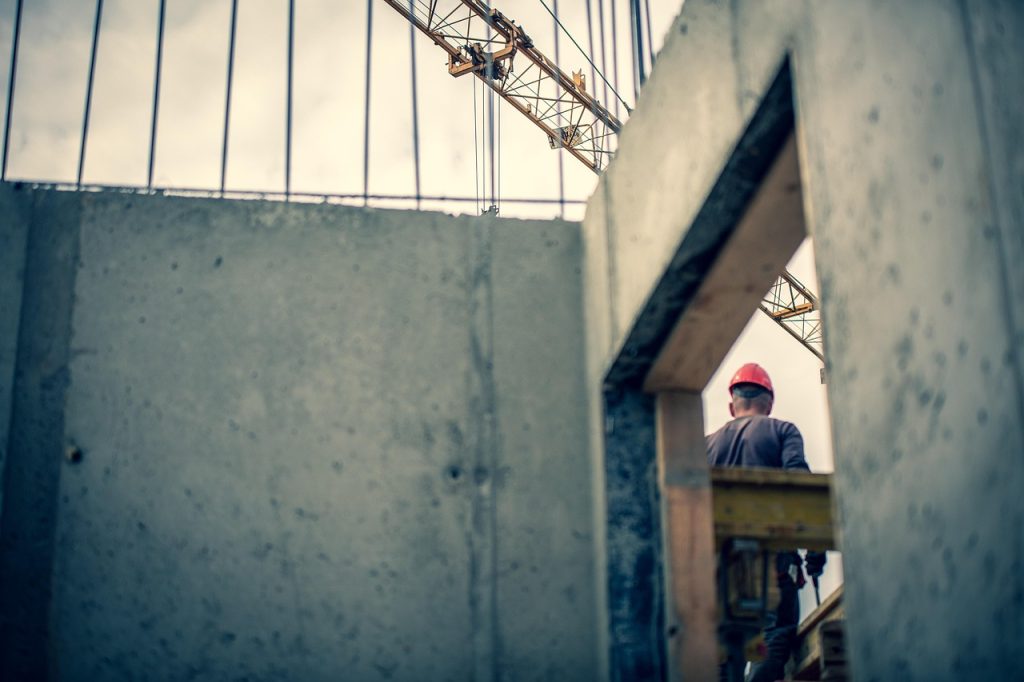
A construction site is a designated area where buildings, structures, or infrastructure projects are developed. It is the physical location where construction activities are carried out according to architectural and engineering plans. Construction sites can range from small residential building projects to massive commercial complexes or large-scale infrastructure like highways, bridges, and dams.
At its core, a construction site is where planning meets execution, where design concepts are transformed into physical structures. Each site operates under strict schedules, safety protocols, and quality control measures to ensure the project is completed efficiently and safely.
Also read: 10 Best Bali Architecture Styles That Define the Island’s Unique Charm
Types of Construction Sites
Construction sites are not one-size-fits-all; they vary based on the type of project, scale, and purpose. Understanding these categories is crucial for beginners.
1. Residential Construction Sites
- Focus: Houses, apartments, villas, or residential complexes.
- Characteristics: Smaller scale, limited heavy machinery, emphasis on aesthetics and interior design.
- Example: A single-family home construction project in suburban areas.

2. Commercial Construction Sites
- Focus: Offices, shopping centers, hotels, and mixed-use developments.
- Characteristics: Larger scale than residential projects, requires complex planning, more workforce, and advanced machinery.
- Example: High-rise office buildings in urban centers.
3. Industrial Construction Sites
- Focus: Factories, warehouses, power plants, or processing facilities.
- Characteristics: Heavy machinery, specialized construction techniques, adherence to strict industrial standards.
- Example: Construction of a cement factory or oil refinery.
4. Infrastructure and Civil Engineering Sites
- Focus: Roads, bridges, airports, railways, dams, and public utilities.
- Characteristics: Large-scale projects, extended timelines, significant labor and equipment requirements.
- Example: Building a highway connecting two cities.
Components of a Construction Site
Construction sites are complex ecosystems where multiple activities occur simultaneously. Here are the key components:
1. Site Layout
- Definition: The physical organization of the construction site, including zones for storage, machinery, offices, and worker accommodations.
- Proper layout ensures safety, efficiency, and smooth workflow.
2. Temporary Facilities
- Includes site offices, restrooms, worker camps, storage sheds, and first aid stations.
- Supports operational management and worker welfare.
3. Equipment and Machinery
- Common machinery includes cranes, bulldozers, excavators, concrete mixers, scaffolding, and forklifts.
- Machinery selection depends on the project type and scale.
4. Materials and Storage Areas
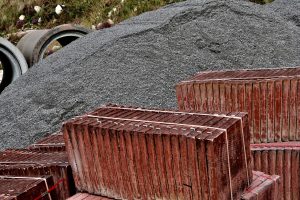
- Construction materials such as cement, steel, wood, bricks, and aggregates are stored on-site.
- Proper storage prevents damage, theft, and wastage.
5. Work Zones
- Different areas of the site are designated for specific activities, such as excavation, foundation work, structural assembly, and finishing.
Roles and Responsibilities on a Construction Site
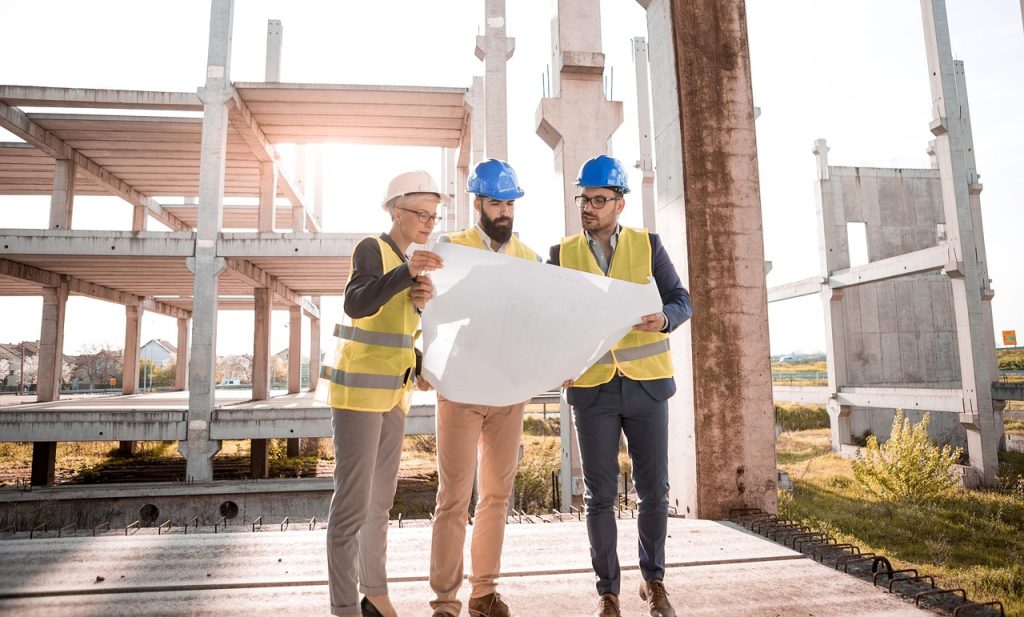
Construction sites are staffed by a diverse team of professionals, each responsible for ensuring the project runs smoothly:
1. Project Manager
- Oversees the entire project, ensuring timelines, budgets, and quality standards are met.
2. Site Engineer
- Coordinates technical activities, monitors progress, and solves on-site challenges.
3. Architects and Designers
- Provide the design vision and technical drawings. On-site, they may supervise construction quality.
4. Foremen and Supervisors
- Direct labor teams, assign tasks, and enforce safety regulations.
5. Skilled and Unskilled Labor
- Includes carpenters, masons, electricians, plumbers, welders, and general laborers. Each worker contributes specific skills required to complete the project.
6. Safety Officers
- Monitor compliance with safety protocols, conduct training, and manage accident responses.
Stages of Construction on a Site
A construction site operates through several sequential stages, each critical for successful project completion:
1. Site Preparation
- Activities: Clearing land, leveling, and setting boundaries.
- Importance: Prepares the site for foundation work and ensures proper drainage.
2. Excavation and Foundation Work
- Activities: Digging trenches, laying foundations, pouring concrete.
- Importance: Provides structural stability for the building.
3. Structural Work
- Activities: Erecting walls, columns, beams, and roofing.
- Importance: Defines the building’s shape, load-bearing capacity, and durability.
4. Mechanical, Electrical, and Plumbing (MEP)
- Activities: Installing electrical wiring, plumbing systems, HVAC, and fire protection.
- Importance: Ensures building functionality and occupant comfort.
5. Finishing Work
- Activities: Painting, flooring, tiling, fixtures installation, and landscaping.
- Importance: Completes the aesthetic and functional aspects of the building.
6. Quality Control and Handover
- Activities: Inspections, testing, and certification.
- Importance: Ensures compliance with design, safety, and building regulations before occupancy.
Construction Site Safety
Construction sites are inherently hazardous, making safety management a top priority. Common risks include falling objects, machinery accidents, electrical hazards, and slips or falls.
Key Safety Practices
- Personal Protective Equipment (PPE): Helmets, gloves, boots, reflective vests, and eye protection.
- Safety Training: Workers must undergo regular safety briefings and drills.
- Signage and Barriers: Clear signs and barricades prevent unauthorized access and accidents.
- Regular Inspections: Safety officers conduct frequent checks on machinery, scaffolding, and hazardous areas.
- Emergency Protocols: First aid stations, fire extinguishers, and evacuation plans must be in place.
Compliance with safety standards is not only ethical but also legally required in many countries, including Indonesia.
Environmental Considerations on Construction Sites
Modern construction sites increasingly emphasize sustainability and minimal environmental impact.
Common Practices Include:
- Waste Management: Sorting and recycling construction waste.
- Dust and Noise Control: Using barriers, water spraying, and scheduling work to minimize disturbances.
- Soil and Water Conservation: Preventing erosion and contamination of local water sources.
- Energy Efficiency: Using energy-efficient machinery and incorporating sustainable building materials.
Sustainable practices not only protect the environment but also improve project efficiency and community relations.
Challenges Faced on Construction Sites
Construction projects are complex and often face multiple challenges:
- Weather Conditions: Rain, extreme heat, or storms can delay progress.
- Material Shortages: Supply chain disruptions can halt work.
- Labor Shortages: Skilled labor scarcity affects quality and deadlines.
- Safety Incidents: Accidents can delay projects and increase costs.
- Regulatory Compliance: Adhering to local building codes and permits can be time-consuming.
Anticipating and mitigating these challenges is crucial for successful construction management.
Also read: Sunday Market Bali: A Complete Guide to Shopping and Local Finds
Tips for Beginners Visiting or Working on a Construction Site
For beginners or first-time visitors, understanding how to navigate a construction site safely is important:
- Always Wear PPE: Helmets, boots, gloves, and reflective vests are mandatory.
- Stay in Designated Areas: Avoid wandering into hazardous zones.
- Follow Instructions: Listen to site supervisors and safety officers carefully.
- Observe and Learn: Take note of workflows, machinery operations, and coordination between teams.
- Ask Questions: Understanding processes like excavation, foundation, and MEP installation provides valuable knowledge.
Conclusion
A construction site is far more than just an area where buildings rise; it is a dynamic ecosystem where planning, engineering, labor, and safety converge to create structures that shape our world. From residential houses to massive infrastructure projects, every construction site represents a complex orchestration of people, materials, machinery, and processes.
For beginners, understanding a construction site means appreciating its purpose, operations, and challenges while respecting safety and environmental considerations. Whether you aspire to work in construction, pursue civil engineering, or simply satisfy your curiosity, learning about construction sites provides valuable insight into the foundation of modern society.
Construction sites are where dreams meet reality, where designs transform into tangible spaces, and where every beam, brick, and bolt contributes to shaping the world around us.


Gracia Rena
Gracia is a co-owner of the company and a seasoned professional with over 20 years of experience in the hospitality industry. Her impressive background includes roles at major organizations such as Marriott, Accor, Banyan Tree, Sudamala, and Singapore Airlines.
With a profound understanding of luxury service standards and operational excellence, Gracia brings invaluable expertise to the business. Her strategic insight and dedication to quality have been instrumental in shaping the company’s growth, ensuring its continued reputation for delivering exceptional value and innovation in hospitality and commercial projects across the region.