
Bali is widely celebrated for its lush landscapes, vibrant culture, and spiritual heritage. But beyond its natural beauty and artistic expressions lies a distinctive architectural identity that continues to evolve: Balinese architecture. Traditional Balinese designs, with their intricate carvings, open-air pavilions, and harmonious relationship with nature, have inspired modern architects to reinterpret these principles in contemporary spaces.
Today, modern Balinese architecture blends age-old traditions with sleek, functional design, creating homes, resorts, and public spaces that honor heritage while embracing innovation. This guide delves deep into the evolution, principles, and characteristics of modern Balinese architecture, showcasing how tradition continues to shape contemporary design on the island.
Understanding Traditional Balinese Architecture
Before exploring modern interpretations, it’s essential to understand the foundations of traditional Balinese architecture. Rooted in spirituality, community, and nature, these structures are carefully designed to align with local philosophies and environmental principles.
Key Elements of Traditional Balinese Architecture
- Tri Hita Karana Philosophy
- Balinese architecture is heavily influenced by the Tri Hita Karana principle, which emphasizes harmony between humans, nature, and the spiritual realm.
- Buildings are designed to balance these three elements, incorporating open-air spaces, natural materials, and sacred areas for spiritual rituals.
- Spatial Layout
- Traditional Balinese compounds are divided into zones based on sacredness:
- Utama Mandala: The most sacred area, usually containing the family temple or shrine.
- Madya Mandala: The semi-public area for daily living and social activities.
- Nista Mandala: The outermost zone for utility functions like kitchens or storage.
- Traditional Balinese compounds are divided into zones based on sacredness:
- Materiality
- Local materials such as bamboo, teak, stone, and alang-alang thatched roofs are commonly used, ensuring sustainability and climate responsiveness.
- Local materials such as bamboo, teak, stone, and alang-alang thatched roofs are commonly used, ensuring sustainability and climate responsiveness.
- Decorative Elements
- Intricate wood carvings, stone statues, and relief panels are hallmarks of Balinese design, reflecting mythology, nature, and spiritual symbolism.
- Intricate wood carvings, stone statues, and relief panels are hallmarks of Balinese design, reflecting mythology, nature, and spiritual symbolism.
- Indoor-Outdoor Harmony
- Open pavilions, courtyards, and gardens create a seamless transition between interior and exterior spaces, fostering natural ventilation and connection with the environment.
Also read: 10 Best Bali Architecture Styles That Define the Island’s Unique Charm
The Rise of Modern Balinese Architecture
Modern Balinese architecture emerges from the need to adapt traditional design principles to contemporary lifestyles, global aesthetics, and technological advancements. This movement respects heritage while introducing minimalism, new materials, and modern functionality.
Key Drivers of Modern Balinese Design
- Tourism and Hospitality Demand
- Bali’s booming tourism industry has driven architects to design resorts, villas, and hotels that capture Balinese charm while offering modern luxury.
- Bali’s booming tourism industry has driven architects to design resorts, villas, and hotels that capture Balinese charm while offering modern luxury.
- Global Architectural Influence
- International design trends, including minimalist, tropical modern, and eco-friendly architecture, merge with traditional elements to create hybrid spaces.
- International design trends, including minimalist, tropical modern, and eco-friendly architecture, merge with traditional elements to create hybrid spaces.
- Sustainability Awareness
- Modern architects prioritize sustainable practices, using renewable materials, rainwater harvesting systems, and passive cooling designs inspired by traditional methods.

Characteristics of Modern Balinese Architecture
Modern Balinese architecture retains the soul of traditional design while embracing contemporary aesthetics. Here’s what defines it:
1. Harmonious Integration with Nature
- Just like traditional Balinese homes, modern designs emphasize connection with the natural environment.
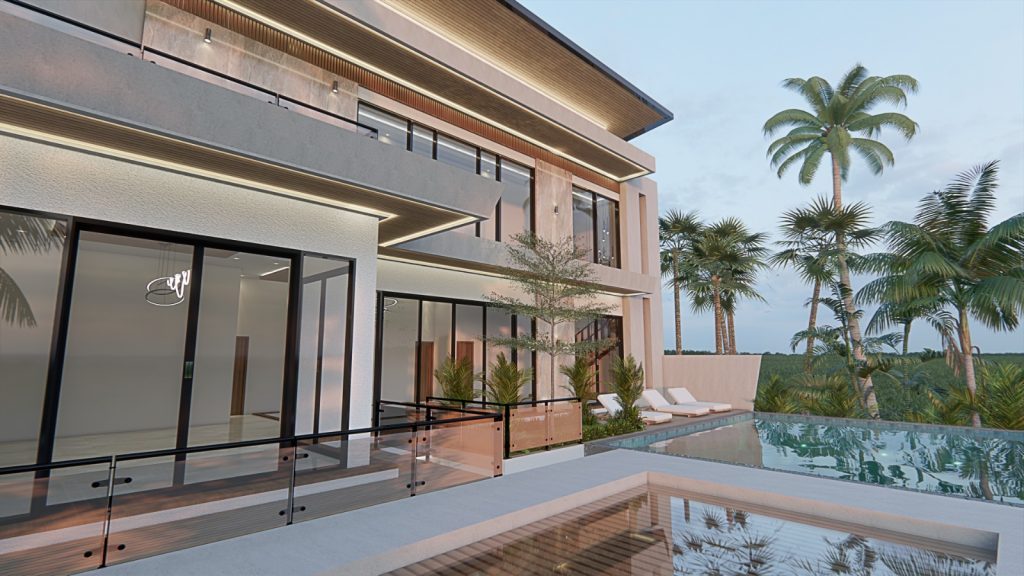
- Large glass panels, open terraces, and lush gardens allow interiors to flow seamlessly into outdoor spaces.
- Natural ventilation reduces the need for air conditioning, reflecting eco-conscious design principles.
2. Minimalist Aesthetics with Cultural Accents
- While traditional Balinese architecture is ornate, modern interpretations often adopt clean lines and neutral palettes.
- Decorative elements like carved doors, stone sculptures, or wooden panels are strategically incorporated to preserve cultural identity without overwhelming the design.
3. Open-Air Living Spaces
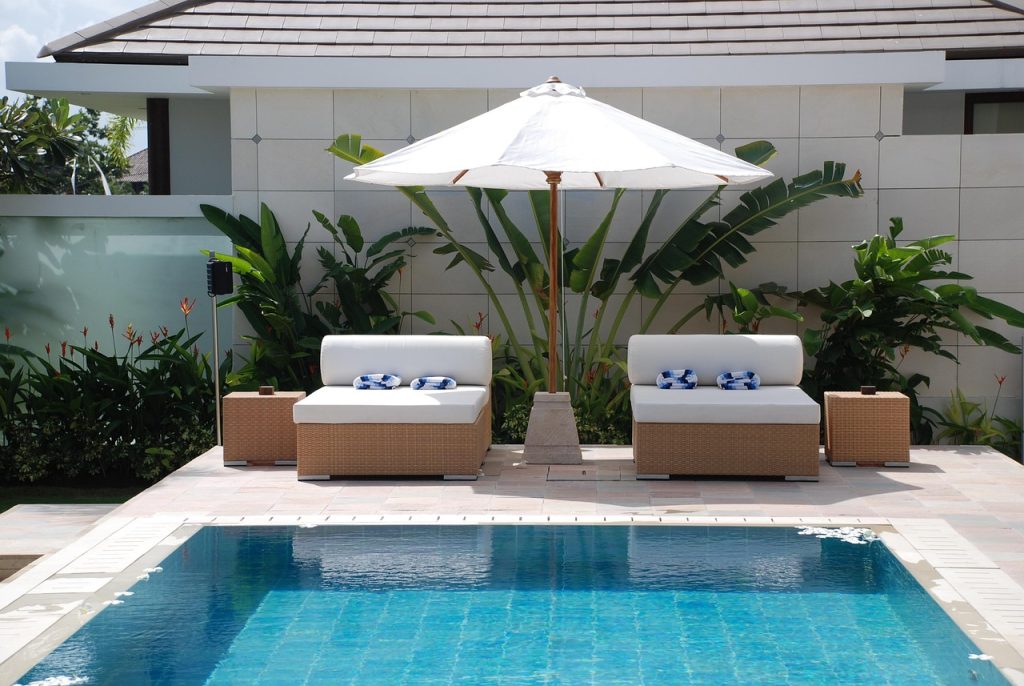
- Modern villas often feature pavilions (bale) with open roofs, blending indoor and outdoor areas.
- Infinity pools, sunken lounges, and open kitchens mimic traditional courtyard layouts while providing luxurious comfort.
4. Sustainable Material Use
- Architects combine traditional materials like bamboo, teak, and stone with modern alternatives such as reinforced concrete, steel, and tempered glass.
- This ensures structural durability while maintaining the warmth and organic feel of traditional Balinese design.
5. Spiritual and Symbolic Elements
- Modern Balinese homes and resorts still incorporate shrines, meditation areas, or water features to honor Tri Hita Karana principles.
- Water temples, ponds, and reflective pools enhance tranquility and spiritual connection.
Iconic Examples of Modern Balinese Architecture
Several contemporary projects in Bali exemplify how tradition and modernity coexist:
1. Private Villas in Ubud and Seminyak
- Modern luxury villas integrate open-air layouts, infinity pools, and tropical gardens.
- Traditional thatched roofs and carved wooden doors maintain Balinese identity.
2. High-End Resorts
- Resorts like Four Seasons Sayan, Alila Villas Uluwatu, and COMO Uma Canggu showcase how traditional Balinese elements can enhance modern luxury hospitality experiences.
- Architecture blends stone walls, bamboo ceilings, and open-air pavilions with minimalist interior design.
3. Cultural Centers and Public Spaces
- Contemporary cultural centers in Bali respect traditional architecture while accommodating modern functionality, using open courtyards, natural light, and Balinese motifs.
Modern Balinese Architecture and Sustainability
Sustainability is a critical aspect of modern design in Bali. Architects draw inspiration from traditional methods, such as:
- Natural Ventilation: Using high ceilings, open corridors, and strategically placed windows.
- Rainwater Harvesting: Courtyards and reflective pools collect and store rainwater.
- Local Materials: Utilizing bamboo, teak, and volcanic stone to reduce carbon footprint.
- Landscaping: Incorporating native plants to maintain biodiversity and reduce irrigation needs.
These practices ensure that contemporary spaces are environmentally responsible and culturally sensitive.
Challenges and Opportunities
While modern Balinese architecture thrives, it faces challenges:
- Over-Commercialization: Rapid tourism development sometimes leads to loss of authentic traditional architecture.
- Material Sourcing: Traditional materials like alang-alang roofs are expensive and labor-intensive to maintain.
- Balancing Tradition and Modernity: Architects must carefully integrate cultural elements without turning them into mere decorative motifs.
Opportunities lie in eco-tourism, sustainable housing, and adaptive reuse of traditional structures for modern lifestyles.
Also read: Bali Property Investment Guide: What You Need to Know in 2026
The Future of Balinese Architecture
The future of Balinese architecture is about harmonizing heritage with innovation. Emerging trends include:
- Eco-Luxury Villas: Combining luxury living with environmentally conscious design.
- Smart Homes with Traditional Touches: Integrating technology without compromising Balinese aesthetics.
- Community-Centric Designs: Reviving traditional communal layouts in modern housing projects.
- Cultural Preservation Initiatives: Collaborating with local artisans to maintain authentic craftsmanship.
Conclusion
Modern Balinese architecture is a testament to the island’s ability to evolve while honoring its past. By blending traditional principles like Tri Hita Karana, open-air living, and intricate craftsmanship with modern materials, sustainable practices, and minimalist design, architects create spaces that are functional, beautiful, and culturally resonant.
From luxury resorts to private villas, contemporary Balinese architecture embodies harmony, spirituality, and connection with nature. For architects, designers, and travelers alike, it offers inspiration and insight into how tradition can shape the future of modern living.


Indah Suzanne
Indah Suzanne is a key player in Indonesia's design and architecture scene, leading Karyanusa Asia from Bali. As the driving force behind Karyanusa Asia in Bali, she combines innovative design concepts with exceptional construction expertise, delivering world-class villas, commercial spaces, and bespoke architectural projects that reflect both modern elegance and the island’s rich cultural heritage.