

High-rise buildings are among the most impressive achievements of modern engineering and architecture. From residential towers and luxury hotels to commercial office skyscrapers, these structures transform urban skylines and allow cities to grow vertically rather than horizontally. Building upward requires far more than aesthetic design; it involves complex planning, advanced structural systems, precise engineering calculations, and strict safety standards.
In today’s rapidly urbanizing world, high-rise construction has become essential for accommodating population growth, optimizing land use, and supporting sustainable development. However, constructing tall buildings introduces unique challenges such as wind loads, seismic forces, foundation design, vertical transportation, and fire safety.
This comprehensive guide explores the principles, materials, technologies, and processes involved in high-rise building construction, providing a clear understanding of how these remarkable structures are designed and built.
What Defines a High-Rise Building?
A high-rise building is generally defined as a structure tall enough that vertical transportation systems, specialized structural design, and enhanced safety measures are required. While definitions vary by country, buildings taller than approximately 23 meters or seven to ten floors are often classified as high-rise structures.
The key difference between low-rise and high-rise construction lies in the complexity of structural behavior. As height increases, factors such as wind pressure, structural sway, and load distribution become significantly more critical.
Also read: 10 Best Bali Architecture Styles That Define the Island’s Unique Charm
Planning and Design Phase
Every successful high-rise project begins with careful planning and multidisciplinary collaboration. Architects, structural engineers, geotechnical experts, and mechanical engineers work together to create a design that balances aesthetics, functionality, and safety.
Site Analysis
The construction process starts with a thorough evaluation of the site. Engineers study soil conditions, groundwater levels, surrounding infrastructure, and environmental factors. Urban sites often present challenges such as limited space, existing utilities, and traffic constraints.
Feasibility Studies
Developers conduct financial and technical feasibility studies to determine whether a high-rise project is viable. These studies consider zoning regulations, construction costs, expected revenue, and environmental impact.
Conceptual Design
Architects develop the building’s overall form, layout, and façade. At this stage, structural engineers begin selecting appropriate systems that can support the desired height and shape while maintaining stability.

Structural Systems in High-Rise Buildings
The structural system is the backbone of any tall building. It determines how loads are transferred safely to the ground while minimizing movement caused by wind or seismic activity.
Reinforced Concrete Frame
Reinforced concrete frames are widely used in residential high-rise towers. Concrete provides excellent compressive strength and fire resistance, while embedded steel reinforcement improves tensile performance.
Steel Frame Structures
Steel structures are commonly used in commercial skyscrapers due to their high strength-to-weight ratio. Steel allows for faster construction and greater flexibility in architectural design.
Core and Outrigger Systems
Many modern high-rises use a central core combined with outrigger beams that connect to perimeter columns. This system improves lateral stability and reduces building sway.
Tube Structures
Tube systems, where the building’s exterior frame acts as a rigid tube, are often used in very tall skyscrapers. This design distributes loads efficiently and allows for open interior spaces.
Foundation Design for High-Rise Buildings
A strong foundation is essential to support the enormous loads generated by tall structures. Engineers must ensure that the building remains stable even under extreme conditions.
Deep Foundations
High-rise buildings typically rely on deep foundations such as piles or caissons. These foundations transfer loads to deeper, stronger soil or rock layers.
Raft Foundations
In some cases, a thick reinforced concrete raft spreads the building’s weight across a large area. This method is often combined with piles in hybrid foundation systems.
Soil Improvement Techniques
When soil conditions are weak, engineers may use ground improvement methods such as compaction, grouting, or geosynthetic reinforcement to increase stability.
Construction Materials Used in High-Rise Buildings
Material selection plays a crucial role in determining the performance and longevity of a high-rise structure.
Concrete
High-strength concrete is commonly used for cores, columns, and floor slabs. Advances in concrete technology allow for higher compressive strength and improved durability.
Steel
Structural steel is used for beams, columns, and bracing systems. Its flexibility and strength make it ideal for tall buildings that must resist dynamic forces.
Glass and Curtain Walls
Modern high-rises often feature glass curtain wall façades. These systems provide natural light and aesthetic appeal while reducing structural weight compared to traditional walls.
Composite Materials
Combining steel and concrete creates composite systems that enhance strength and efficiency. Composite floor systems are particularly common in modern skyscrapers.
The High-Rise Construction Process
Building a tall structure requires precise sequencing and coordination.
Excavation and Foundation Work
The construction process begins with excavation, shoring, and foundation installation. Deep basements and underground parking areas are often built before the main structure rises.
Structural Frame Construction
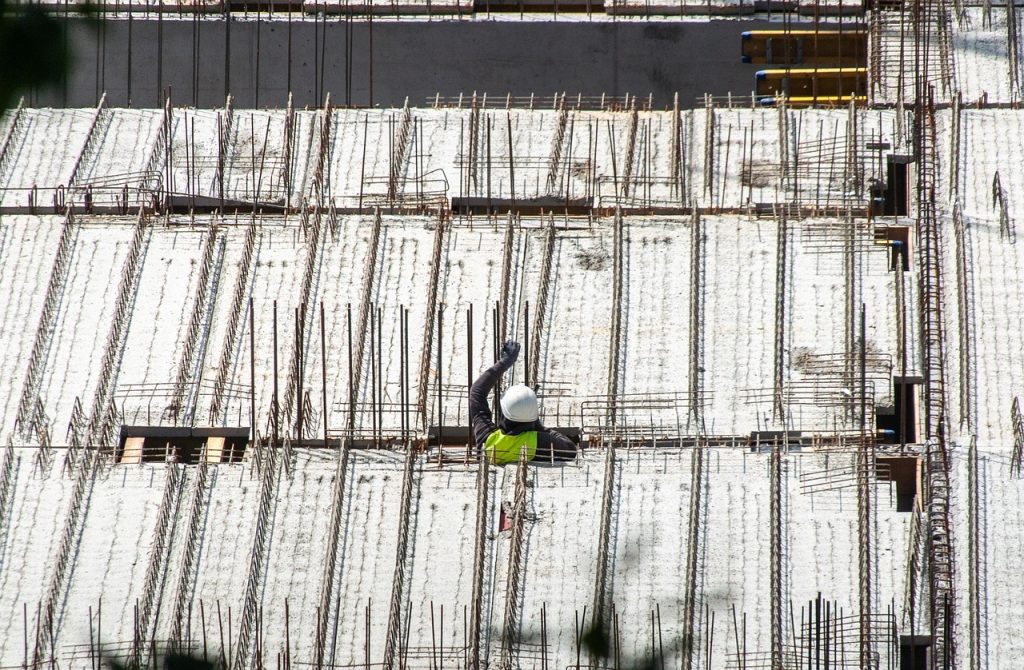
Once the foundation is complete, the structural frame is erected floor by floor. Concrete buildings use formwork and reinforcement placement, while steel buildings involve assembling prefabricated components.
Vertical Transportation Installation
Elevators and escalators are critical systems in high-rise buildings. High-speed elevators are installed as the structure progresses, requiring careful alignment with the building core.
Mechanical, Electrical, and Plumbing Systems
Complex networks of mechanical and electrical systems ensure ventilation, power distribution, water supply, and fire protection. These systems must be integrated seamlessly within limited space.
Façade Installation
Curtain walls and exterior cladding are installed to protect the building from weather and improve energy efficiency.
Interior Finishing
The final stages include partition walls, flooring, ceilings, and interior design elements that transform the structure into a functional space.
Safety Considerations in High-Rise Construction
Safety is one of the most critical aspects of tall building construction.
Fire Safety
High-rise buildings require advanced fire protection systems, including sprinklers, fire-resistant materials, smoke control systems, and multiple emergency exits.
Wind and Seismic Design
Engineers design structures to withstand strong winds and earthquakes. Techniques such as tuned mass dampers and flexible structural systems help reduce movement.
Construction Site Safety
Workers operating at great heights face significant risks. Safety harnesses, protective barriers, and strict training programs are essential to prevent accidents.
Sustainability in Modern High-Rise Buildings
Sustainability has become a major focus in high-rise construction. Developers increasingly prioritize energy efficiency and environmental responsibility.
Energy-Efficient Design
Modern towers use advanced insulation, energy-efficient glazing, and smart ventilation systems to reduce energy consumption.
Renewable Energy Integration
Some buildings incorporate solar panels or wind turbines to generate renewable energy.
Water Management
Rainwater harvesting and greywater recycling systems help reduce water usage and improve environmental performance.
Green Certifications
Many high-rise projects aim to achieve international sustainability certifications, reflecting a commitment to environmentally responsible construction.
Challenges in High-Rise Building Construction
Despite technological advances, building tall structures remains complex.
Cost Management
High-rise projects require significant investment. Careful budgeting and efficient construction methods are essential to control costs.
Logistics and Transportation
Transporting materials to upper floors presents logistical challenges. Tower cranes and advanced lifting systems are crucial for efficient operations.
Structural Movement
Tall buildings naturally sway under wind loads. Engineers must ensure that movement stays within safe limits to maintain comfort for occupants.
Urban Constraints
In dense cities, limited space and strict regulations can complicate construction schedules and design decisions.
Also read: 7 Leading Construction Companies in Uluwatu for High-End Bali Villa
Future Trends in High-Rise Construction
The future of high-rise construction is shaped by innovation and technology.
Modular Construction
Prefabricated modules allow faster assembly and improved quality control.
Smart Building Technology
Sensors and automation systems monitor energy usage, structural health, and occupant comfort.
Advanced Materials
New materials such as ultra-high-performance concrete and carbon-fiber reinforcement are pushing the limits of building height and efficiency.
Vertical Urbanism
High-rise buildings are evolving into mixed-use vertical communities that combine living, working, and recreation within a single structure.
Advantages of High-Rise Buildings
High-rise construction offers several benefits:
- Efficient use of limited land in urban areas
- Increased housing and office capacity
- Iconic architectural landmarks
- Opportunities for sustainable urban planning
However, these advantages must be balanced with careful design and responsible construction practices.
Conclusion
High-rise building construction represents one of the most complex and fascinating fields in modern engineering. From deep foundations and advanced structural systems to cutting-edge materials and sustainable design strategies, every aspect of a tall building requires careful planning and expert execution.
As cities continue to grow and evolve, high-rise structures will play an increasingly important role in shaping urban environments. Understanding the principles behind their construction helps developers, architects, and property owners appreciate the intricate process that transforms ambitious designs into safe, functional, and enduring landmarks. With ongoing innovation and a focus on sustainability, the future of high-rise construction promises even greater achievements in architecture and engineering.


Indah Suzanne
Indah Suzanne is a key player in Indonesia's design and architecture scene, leading Karyanusa Asia from Bali. As the driving force behind Karyanusa Asia in Bali, she combines innovative design concepts with exceptional construction expertise, delivering world-class villas, commercial spaces, and bespoke architectural projects that reflect both modern elegance and the island’s rich cultural heritage.