
In the world of construction and design, a building’s success depends not only on creativity and engineering but also on clarity and precision. Every construction project involves a vast number of details from the type of concrete used in the foundation to the brand of paint on the walls. Managing all these details consistently across architects, engineers, contractors, and suppliers requires a system that is both comprehensive and standardized. This is where architectural specifications, often called specs, come into play.
Architectural specifications serve as the technical manual of a construction project. They describe in written form how the design intent should be executed in the real world defining the materials, standards, workmanship, and quality required for every element of the building.
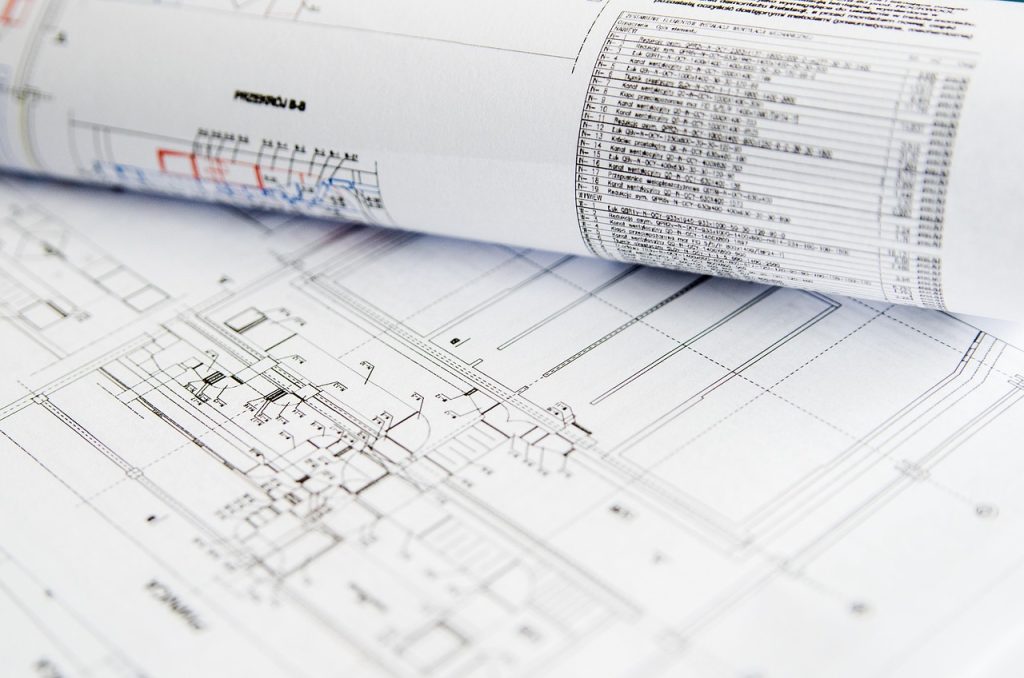
While drawings illustrate what a project looks like, specifications explain how it should be built. Together, they form the foundation of any successful construction documentation set.
In this complete and deeply detailed guide, we’ll explore everything you need to know about architectural specifications from their purpose and structure to their role in project management, coordination, and quality control.
What is Architectural Specification?
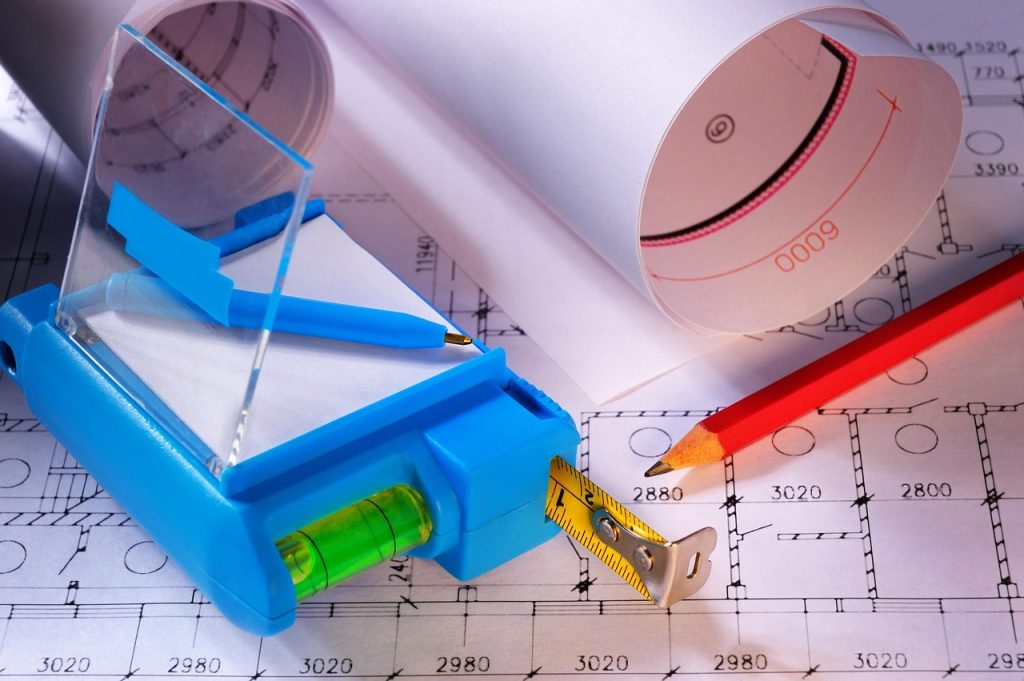
Architectural specification is detailed written documents that accompany architectural drawings. They define the materials, products, construction methods, performance standards, and quality requirements for a building project.
In essence, they serve as the written instructions that guide contractors and builders in executing the architect’s vision accurately and safely.
While drawings communicate visual and spatial information like the layout, dimensions, and relationships between building components specifications communicate qualitative and performance information, such as:
- What materials to use (e.g., type of steel, concrete strength, insulation rating).
- How those materials should be installed or assembled.
- What testing or certification is required.
- What standards (ASTM, ISO, ANSI, etc.) must be met.
Together, these documents form a comprehensive contract package that sets expectations, reduces ambiguity, and ensures that the completed building meets the design intent, regulatory standards, and client expectations.
Also read: What Is an Eco-Friendly Building? A Complete Guide to Sustainable Architecture
The Purpose of Architectural Specifications
The main purpose of architectural specifications is to provide clarity, consistency, and accountability in construction. Below are the core objectives they fulfill:
1. Define Quality and Performance Standards
Specifications ensure that all materials and workmanship meet a defined level of quality. They describe performance criteria, durability, sustainability, and aesthetic standards that must be achieved.
2. Provide Detailed Instructions Beyond Drawings
Drawings can show dimensions and configurations, but they can’t capture all the details of product selection, installation methods, and tolerances. Specs fill that gap.

3. Ensure Legal and Contractual Clarity
Specifications are legally binding documents that form part of the construction contract. They help resolve disputes by clearly outlining what was required and expected.
4. Coordinate Multiple Disciplines
Specs bring together information from various design professionals—architects, engineers, landscape designers, and interior designers—ensuring consistency and compatibility across all trades.
5. Streamline Procurement
They allow contractors and suppliers to identify the exact materials, finishes, and systems required, making procurement and bidding more efficient.
6. Support Compliance and Sustainability
Architectural specifications reference relevant codes, environmental standards, and certifications (like LEED, BREEAM, or Green Mark), ensuring regulatory and sustainability compliance.
The Structure of Architectural Specifications
Architectural specifications are typically organized in a standardized format to make them easy to read, reference, and coordinate. The most common system used internationally is the MasterFormat developed by the Construction Specifications Institute (CSI) and Construction Specifications Canada (CSC).
The CSI MasterFormat
The CSI MasterFormat divides construction information into divisions, each covering a specific aspect of the building.
Here’s a simplified breakdown of the main divisions:
- Division 00 – Procurement and Contracting Requirements
Includes bidding instructions, contracts, and legal forms. - Division 01 – General Requirements
Covers administrative and procedural information, such as quality control, submittals, project meetings, and temporary facilities. - Divisions 02–14 – Facility Construction Subgroup
- Division 03: Concrete
- Division 04: Masonry
- Division 05: Metals
- Division 06: Wood, Plastics, and Composites
- Division 07: Thermal and Moisture Protection
- Division 08: Openings (Doors and Windows)
- Division 09: Finishes
- Division 10: Specialties
- Division 11: Equipment
- Division 12: Furnishings
- Division 13: Special Construction
- Division 14: Conveying Systems (elevators, escalators, etc.)
- Divisions 21–28 – Facility Services Subgroup
- Plumbing, HVAC, Electrical, Communications, and Security Systems.
- Plumbing, HVAC, Electrical, Communications, and Security Systems.
- Divisions 31–35 – Site and Infrastructure
- Earthwork, exterior improvements, utilities, and transportation systems.
- Earthwork, exterior improvements, utilities, and transportation systems.
- Divisions 40–49 – Process Equipment
- For specialized facilities such as industrial plants or laboratories.
Each division is then further broken down into sections, parts, and articles, providing an incredibly detailed and organized framework for specifying every aspect of construction.
Types of Architectural Specifications
Architectural specifications can take different forms depending on the project’s scope, delivery method, and design intent. Here are the primary types:
1. Prescriptive Specifications (Descriptive or Proprietary)
These are the most common type. They tell the contractor exactly what materials, products, and methods to use.
Example:
“Install 12mm tempered glass with aluminum framing system, Model X, manufactured by ABC Glass Company.”
This method ensures full control over quality and design consistency but limits flexibility for contractors.
2. Performance Specifications
Rather than specifying exact products, performance specs define the required outcome or performance criteria that the materials or systems must achieve.
Example:
“Glazing system shall achieve a minimum sound transmission class (STC) rating of 40 and U-value of 0.35 W/m²K.”
Contractors can select materials that meet these criteria, offering flexibility while maintaining performance standards.
3. Reference Specifications
These specifications refer to existing industry standards or codes, such as ASTM, ISO, or British Standards, to define the quality and performance requirements.
Example:
“Concrete to comply with ASTM C150 Type I Portland Cement.”
Reference specs reduce redundancy and ensure compliance with universally accepted standards.
4. Proprietary Specifications
Proprietary specs specify a particular brand or product. They are often used when a specific appearance or performance is essential to the design intent.
Example:
“Use Sherwin-Williams Duration Exterior Paint, color as per architect’s selection.”
However, they can sometimes restrict competition and may need to include provisions for approved equivalents to meet procurement laws.
5. Open vs. Closed Specifications
- Open Specifications allow equivalent substitutions as long as they meet performance standards.
- Closed Specifications restrict materials to those explicitly listed, often for aesthetic or performance consistency.
The Relationship Between Drawings and Specifications
Architectural drawings and specifications are two halves of the same whole. They complement each other, with drawings providing visual clarity and specifications providing technical depth.
1. Drawings Show “What,” Specifications Explain “How”
- Drawings depict size, location, and geometry.
- Specifications detail materials, quality, and installation procedures.
2. Coordination is Critical
The specifications and drawings must always align. If there’s a conflict, the specifications usually take precedence in legal terms, as they are more explicit about performance and standards.
3. Example:
A drawing might show “Partition Type A typical wall section.”
The specification would then describe:
- The wall composition (e.g., 2 layers of 12.7mm gypsum board on both sides).
- Framing material and gauge.
- Insulation type and fire rating.
How Specifications Are Developed
Creating architectural specifications is a collaborative process that begins during the design phase and evolves as the project progresses.
1. Concept Design Stage
High-level specs outline general materials and systems without too much detail.
2. Design Development Stage
As the design matures, specific products, performance standards, and installation methods are added.
3. Construction Documentation Stage
This is where the specifications reach their full detail. Every material, code reference, and standard is finalized.
4. Review and Coordination
Specs are reviewed alongside drawings to eliminate discrepancies. Coordination meetings ensure that mechanical, electrical, and structural systems align with architectural intent.
5. Issued for Tender/Construction
The final version becomes part of the contract documents, guiding procurement, bidding, and construction.
The Role of Specifications in the Construction Process
Once the specifications are part of the construction documentation, they serve several critical functions during execution:
1. Guiding Procurement and Bidding
Contractors use specs to estimate costs, identify material suppliers, and prepare accurate bids.
2. Ensuring Quality Control
Inspectors and project managers refer to specifications to verify that materials and workmanship meet the required standards.
3. Managing Submittals and Shop Drawings
Contractors submit product data and shop drawings for approval. Specifications outline what information must be provided and how it will be reviewed.
4. Facilitating Communication
Specs provide a common language among architects, engineers, contractors, and clients, reducing misinterpretations and disputes.
5. Legal Reference
In case of disagreements, specifications serve as a contractual reference to determine whether the contractor fulfilled their obligations.
Also read: Cost Estimation in Construction Projects: A Complete Guide
Modern Tools and Digital Specification Management
As construction moves into the digital age, the way specifications are created and managed is evolving.
1. Building Information Modeling (BIM) Integration
Modern specification software integrates directly with BIM models, allowing architects to link product data to specific building components. This ensures consistency between 3D models and written specs.
2. Specification Management Software
Tools such as NBS Chorus, SpecLink, and MasterSpec streamline the process of writing, editing, and coordinating specifications. These platforms:
- Provide standardized templates.
- Automatically update references to current standards.
- Enable cloud-based collaboration among project teams.
3. Real-Time Updates and Collaboration
Digital systems allow real-time synchronization between architects and consultants, minimizing errors caused by outdated documents.
4. Data-Driven Specifications
With data-rich BIM models, specifications can automatically pull performance metrics, sustainability criteria, and cost data for greater accuracy.
Common Mistakes in Specification Writing
Even experienced professionals can make errors that lead to confusion, delays, or disputes. Here are some of the most common pitfalls:
- Vague language: Using terms like “high quality” without measurable standards.
- Contradictions with drawings: Inconsistencies between graphic and written information.
- Failure to update references: Outdated codes or product standards can cause compliance issues.
- Overly restrictive proprietary specifications: Limiting competition unnecessarily.
- Lack of clarity in responsibilities: Failing to define who provides or installs specific items.
Well-written specifications avoid ambiguity by being clear, concise, complete, and coordinated.
The Importance of Specifications in Risk Management
Architectural specifications are one of the most powerful tools for reducing risk in construction.
They help avoid disputes, delays, and financial loss by ensuring that every participant understands expectations upfront. For example:
- A clearly defined waterproofing specification can prevent costly leaks and litigation later.
- Accurate product references ensure warranty validity.
- Clear performance criteria ensure accountability for failures.
In essence, well-prepared specifications act as a form of insurance protecting both the client and design professionals from misunderstandings and non-compliance.
The Future of Architectural Specifications
The future of architectural specifications lies in digital transformation, integration, and sustainability.
- Digital Specifications: Cloud-based platforms and BIM integration will replace static PDF documents, enabling live collaboration and updates.
- AI and Automation: Artificial intelligence will help architects write and check specs faster, identifying conflicts and recommending materials automatically.
- Sustainability Focus: Specifications will increasingly include lifecycle assessments, carbon footprints, and environmental product declarations.
- Global Standardization: With international collaboration on the rise, specs will increasingly align with global standards like ISO and IFC formats.
These trends will make specifications more dynamic, data-driven, and responsive—bridging the gap between design intent and built reality more seamlessly than ever before.
Conclusion
Architectural specifications are far more than paperwork they are the blueprint in words that turns creative visions into precise, buildable realities.
They define not just what a building looks like, but how it performs, how it’s constructed, and how its quality is measured. They are the bridge between design and execution, ensuring that every bolt, beam, and brick aligns with the architect’s intent.
In an industry where miscommunication can cost millions, architectural specifications bring structure, clarity, and accountability. Whether written manually or managed digitally, they remain an indispensable tool for achieving excellence in construction.
Ultimately, great buildings don’t just come from great designs they come from great documentation, and at the heart of that documentation are architectural specifications, the unsung backbone of every successful project.


Indah Suzanne
Indah Suzanne is a key player in Indonesia's design and architecture scene, leading Karyanusa Asia from Bali. As the driving force behind Karyanusa Asia in Bali, she combines innovative design concepts with exceptional construction expertise, delivering world-class villas, commercial spaces, and bespoke architectural projects that reflect both modern elegance and the island’s rich cultural heritage.