

Ubud, often referred to as the cultural heart of Bali, is famous for its lush rice terraces, traditional temples, and thriving arts scene. However, one of the most enchanting aspects of Ubud is its street markets. From colorful handicrafts to tantalizing street food, Ubud street markets offer a sensory journey into Balinese culture, craftsmanship, and daily life.
Whether you are a traveler looking for unique souvenirs, a foodie eager to sample authentic Balinese cuisine, or a curious wanderer wanting to explore local culture, Ubud street markets are a must-visit. This guide provides a deep dive into Ubud’s markets, including the best places to shop, eat, and explore, along with insider tips for a memorable visit.
A Brief Overview of Ubud Street Markets

Ubud street markets, or Pasar Ubud, are more than just shopping destinations they are cultural experiences. The markets are bustling hubs where locals sell everything from fresh produce to handmade crafts, and street vendors serve traditional Balinese snacks and meals.
Historically, Ubud’s markets were central to village life, providing a space for trading goods and social interaction. Over time, they have evolved into vibrant attractions that draw tourists and locals alike, blending commerce with culture.
The most famous market, Ubud Art Market (Pasar Seni Ubud), is known for its handicrafts, textiles, and artistic treasures, while other smaller street markets offer authentic culinary experiences and daily necessities.
Also read: 7 Best Custom Furniture Companies in Bali (2026 Update)
Types of Markets in Ubud
Ubud’s markets can be categorized into several types, each offering a unique experience:
1. Traditional Art Markets
- Focus: Handicrafts, textiles, paintings, and souvenirs.
- Example: Ubud Art Market is the most famous, featuring wooden carvings, batik fabrics, jewelry, and paintings created by local artists.
- Why Visit: Ideal for tourists seeking authentic Balinese crafts and unique gifts.
2. Food and Night Markets
- Focus: Street food, snacks, and local beverages.
- Example: Ubud Night Market at Gianyar Street (near Ubud Palace) is perfect for sampling Balinese and Indonesian delicacies like babi guling, sate lilit, and nasi campur.
- Why Visit: Offers affordable, authentic food in a lively local atmosphere.
3. Daily Fresh Produce Markets
- Focus: Fruits, vegetables, spices, and fresh ingredients.
- Example: Ubud Morning Market near the main town square.
- Why Visit: Provides a glimpse into Balinese daily life and the island’s rich agricultural bounty.
4. Specialty Markets
- Focus: Organic products, wellness items, and artisanal goods.
- Example: Small pop-up markets that sell handmade soaps, natural skincare, and sustainable products.
- Why Visit: Perfect for travelers seeking eco-friendly or health-conscious items.

Top Ubud Street Markets to Explore
1. Ubud Art Market (Pasar Seni Ubud)
Located in the heart of Ubud, this market is famous for:
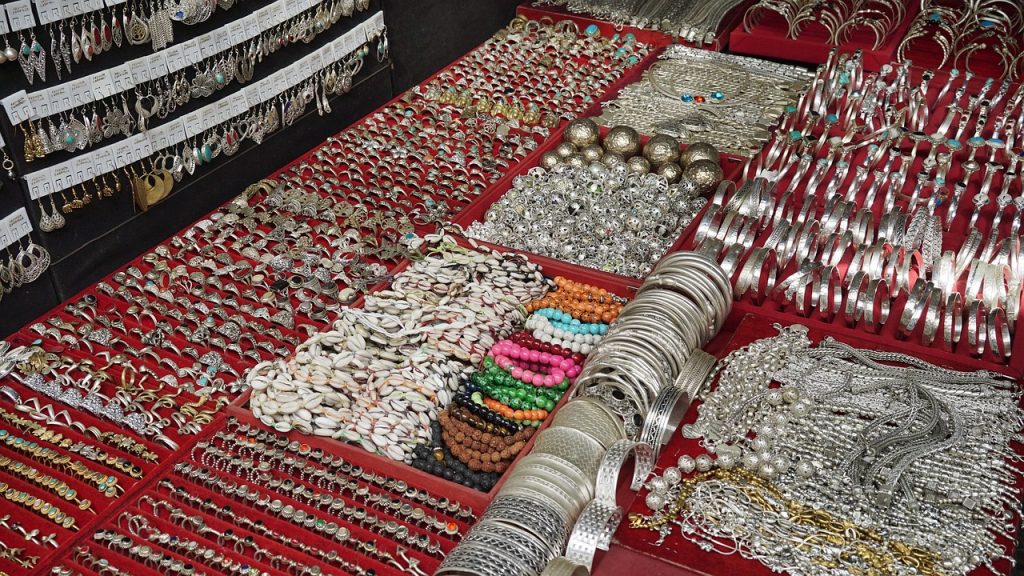
- Handicrafts: Intricate wood carvings, silver jewelry, and stone sculptures.
- Textiles: Batik fabrics, sarongs, and scarves.
- Souvenirs: From masks and puppets to paintings reflecting Balinese culture.
Tips for Visiting:
- Arrive early to avoid crowds and enjoy cooler temperatures.
- Bargaining is common polite negotiation is expected.
- Look for locally made items rather than mass-produced souvenirs.
2. Ubud Night Market
A vibrant destination for food lovers, the night market opens in the evening, typically around 6 PM, offering:
- Traditional Dishes: Nasi campur, mie goreng, sate lilit, and babi guling.
- Snacks and Desserts: Pisang goreng (fried bananas), kue basah (Indonesian cakes), and tropical fruits.
- Drinks: Fresh coconut water, tropical fruit juices, and Balinese coffee.
Tips for Visiting:
- Bring cash in small denominations for street food purchases.
- Try a variety of dishes to experience the full spectrum of Balinese cuisine.
- Be prepared for a lively and sometimes crowded atmosphere.
3. Ubud Morning Market
Held near Ubud Palace, this market is ideal for:
- Fresh Produce: Tropical fruits like mango, papaya, dragon fruit, and vegetables.
- Local Ingredients: Spices, herbs, and traditional Balinese condiments.
- Daily Necessities: Household items, small tools, and clothing.
Tips for Visiting:
- Morning visits are best for fresh produce and fewer crowds.
- Observe locals buying ingredients for daily cooking to get an authentic experience.
4. Specialty and Artisan Markets
In addition to main markets, Ubud hosts smaller, niche markets:
- Eco-Friendly Pop-Ups: Handmade soaps, natural skincare, and organic foods.
- Artisan Markets: Handmade jewelry, ceramics, and textiles from local craftsmen.
Tips for Visiting:
- Check local listings or hotel recommendations for pop-up market schedules.
- Support small businesses by purchasing unique handmade items.
What to Buy at Ubud Street Markets
Ubud’s markets offer a range of items catering to tourists and locals. Here are some must-buy products:
1. Handicrafts
- Carvings, masks, and wood sculptures depicting Balinese mythology.
2. Textiles
- Batik fabrics, sarongs, scarves, and woven bags.
3. Jewelry and Accessories
- Silver rings, bracelets, earrings, and handmade beads.
4. Artwork
- Paintings, sketches, and prints by local artists.
5. Local Food Products
- Balinese spices, coffee beans, traditional sweets, and dried fruits.
Buying authentic, locally made items not only supports the community but also ensures souvenirs are meaningful and high-quality.
Food to Try at Ubud Street Markets
Food is a major draw of Ubud street markets. Here’s a selection of must-try dishes:
1. Nasi Campur
- A plate of rice served with small portions of meats, vegetables, peanuts, eggs, and sambal.
2. Babi Guling
- Balinese-style roasted pork seasoned with aromatic spices.
3. Sate Lilit
- Minced meat or fish wrapped around lemongrass sticks and grilled over charcoal.
4. Pisang Goreng
- Deep-fried bananas, a popular sweet snack among locals and tourists.
5. Local Beverages
- Bali Coffee: Strong, rich coffee often mixed with condensed milk.
- Es Campur: Mixed ice dessert with syrup, jelly, and tropical fruits.
Tips for Visiting Ubud Street Markets
To make the most of your visit, consider these tips:
1. Bargaining is Part of the Culture
- Polite bargaining is expected at most markets, especially for handicrafts.
- Start by offering about 50-70% of the asking price and negotiate respectfully.
2. Bring Cash
- Most stalls do not accept cards. Small denominations of Rupiah are recommended.
3. Dress Comfortably
- Lightweight, breathable clothing and comfortable walking shoes are ideal.
4. Stay Hydrated
- Bali can be hot and humid. Carry a bottle of water, especially when exploring night markets.
5. Explore Beyond the Main Streets
- Side alleys often host unique stalls with handmade crafts, local foods, and authentic cultural experiences.
6. Respect Local Customs
- Be mindful of local traditions, particularly near temples and sacred areas around the market.
Cultural Experience at Ubud Street Markets
Visiting Ubud street markets is not just about shopping and eating it is a cultural immersion:
- Observe Daily Life: See locals shopping for ingredients, preparing meals, and socializing.
- Interact with Vendors: Many are happy to share stories about their products or cooking techniques.
- Witness Traditional Arts: Handicraft demonstrations or street performances often occur in the market area.
Experiencing a market visit in this way provides insight into Balinese culture and fosters meaningful interactions with the community.
Best Time to Visit
- Morning Markets: Best for fresh produce, fewer crowds, and cooler temperatures.
- Evening/Night Markets: Ideal for street food, vibrant atmospheres, and cultural performances.
- Weekdays vs Weekends: Weekends are busier but offer a more festive environment, while weekdays are quieter for browsing and photography.
Also read: 7 Best Bali Pool Designs for Tropical Living (Update 2026)
Photography and Social Media Tips
Ubud street markets are highly photogenic:
- Capture Street Food: Close-up shots of sizzling dishes and colorful fruits are visually appealing.
- Focus on Details: Handmade crafts, textiles, and jewelry make excellent photography subjects.
- Candid Shots: Capture interactions between locals and vendors to showcase authentic life.
- Golden Hour: Early morning or late afternoon light enhances colors and textures.
Avoid flash photography in crowded areas to respect vendors and shoppers.
Supporting Local Artisans and Vendors
Your visit to Ubud street markets can positively impact the local community:
- Purchase Locally Made Items: Support artisans and small businesses instead of mass-produced goods.
- Respect Prices: Negotiate politely and avoid undercutting local vendors.
- Promote Sustainable Practices: Reduce plastic use and dispose of waste responsibly.
Supporting local markets helps preserve Balinese crafts and traditions while fostering a sustainable tourism ecosystem.
Conclusion
Ubud street markets are more than shopping destinations they are gateways to the heart of Balinese culture. From vibrant handicrafts and artisanal products to mouthwatering traditional dishes, these markets offer an unforgettable sensory experience.
Whether you are a shopper hunting for unique souvenirs, a foodie exploring Balinese flavors, or a traveler seeking authentic cultural experiences, Ubud street markets provide endless opportunities for discovery. By exploring the markets responsibly, respecting local customs, and supporting local vendors, visitors can enjoy a rich and immersive experience that goes beyond typical tourist attractions.
For anyone visiting Bali, a trip to Ubud’s street markets is an essential adventure a place where culture, cuisine, and creativity come together in vibrant harmony.


Rafini
Rafini is a seasoned marketing sales expert with over 15 years of experience in the hospitality industry, specializing in commercial renovation in Bali. Having honed her skills at renowned establishments like Accor and Anantara, she possesses a deep understanding of client needs and market dynamics.
Currently serving as a Regional Manager, Rafini excels in driving sales strategies and fostering strong relationships to enhance brand visibility and profitability across her region.