

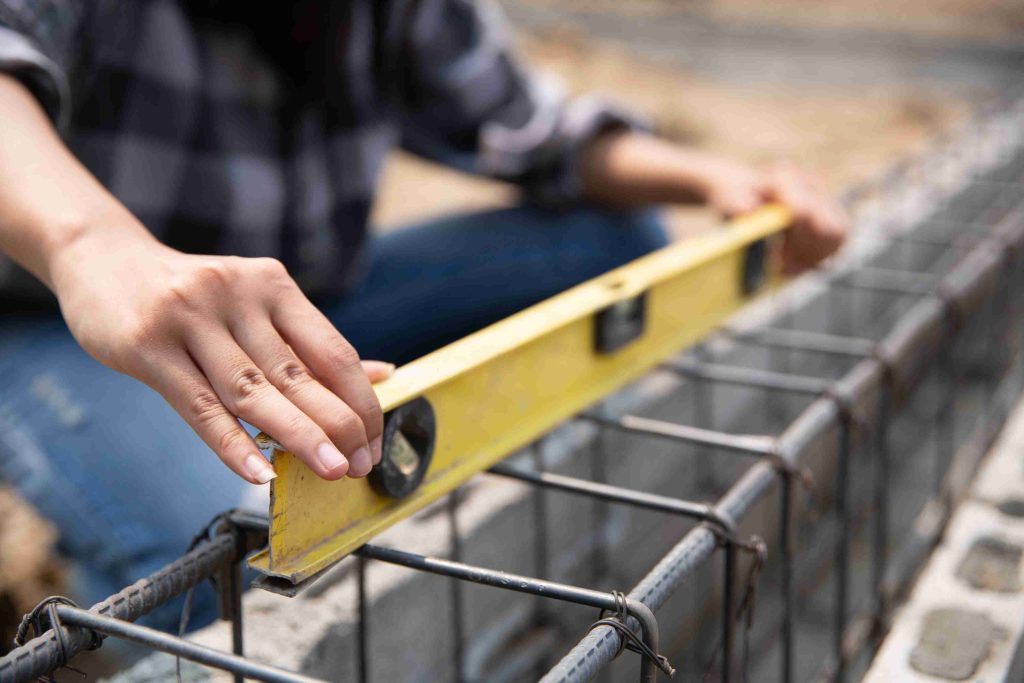
Foundations are the most critical structural component of any building, yet they are often the least visible once construction is complete. A well-designed foundation transfers the weight of a structure safely to the ground, prevents excessive settlement, and ensures long-term stability. Whether constructing a residential home, a commercial complex, or a high-rise tower, choosing the right type of foundation is essential for safety, durability, and cost efficiency.
Modern construction uses a wide range of foundation systems designed to suit different soil conditions, load requirements, climate factors, and architectural designs. Engineers must consider geotechnical data, material properties, environmental risks, and structural performance before deciding which foundation type to use. This comprehensive guide explores the main types of foundations in construction, the materials involved, their design principles, and their real-world applications.
Understanding the Purpose of Foundations
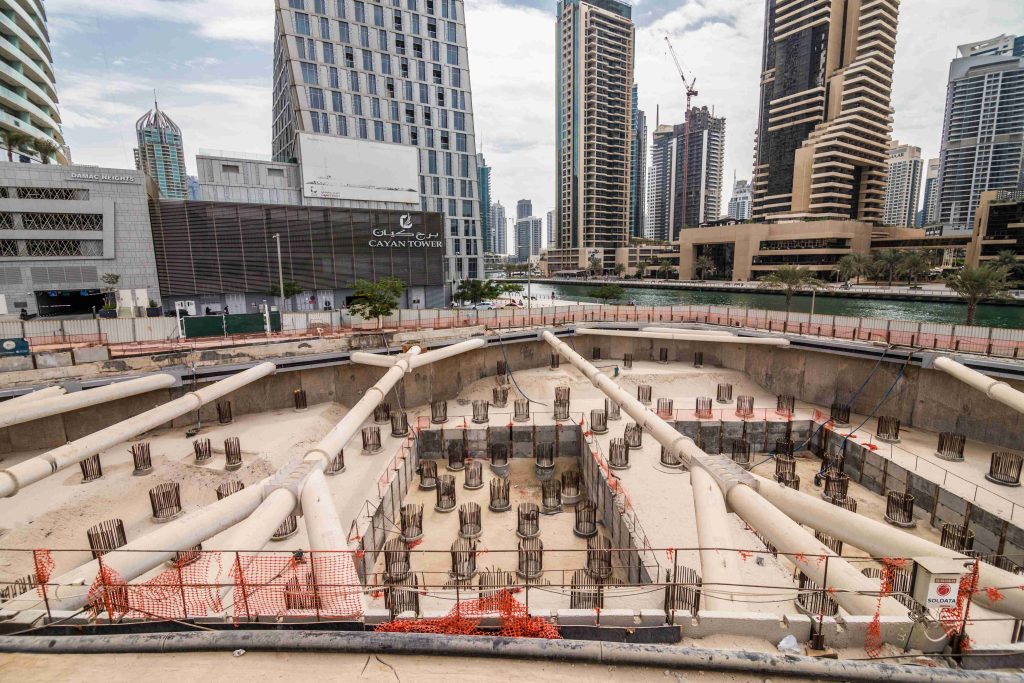
Before exploring specific types, it is important to understand why foundations exist. The main functions of a foundation include:
- Distributing structural loads evenly into the soil
- Preventing uneven settlement that can cause cracks or structural damage
- Anchoring buildings against wind, seismic forces, and environmental stresses
- Providing a stable base that protects the structure from ground moisture and movement
Without a properly designed foundation, even the strongest building materials can fail due to shifting soil or poor load transfer.
Classification of Foundations
Foundations are generally classified into two main categories:
- Shallow Foundations – Used when strong soil layers exist close to the ground surface.
- Deep Foundations – Used when surface soils are weak and loads must be transferred deeper underground.
Each category includes several types designed for different construction scenarios.
Also read: What Is a Construction Superintendent? Roles, Responsibilities, and Skills Explained
Shallow Foundations
Shallow foundations are typically used for residential houses, low-rise buildings, and structures built on stable ground conditions. They are more economical and easier to construct than deep foundations.
1. Isolated Footing (Pad Foundation)
An isolated footing supports a single column or pillar. It is one of the most common foundation types used in small to medium-scale buildings.
Materials
- Reinforced concrete
- Steel reinforcement bars
- Compact gravel or sand base
Design Characteristics
Isolated footings are usually square, rectangular, or circular. Engineers calculate their size based on the column load and soil bearing capacity. Reinforcement is placed to resist bending stresses caused by uneven soil pressure.
Applications
- Residential houses
- Small commercial buildings
- Industrial sheds with column-based structures
This type of foundation is cost-effective when loads are moderate and soil conditions are stable.

2. Strip Footing (Continuous Footing)
Strip footing runs continuously beneath load-bearing walls instead of individual columns.
Materials
- Reinforced concrete
- Masonry blocks
- Concrete mixes with moderate compressive strength
Design Principles
The footing spreads loads along the length of a wall, reducing pressure on the soil. It is commonly used in traditional masonry construction where walls carry structural loads.
Applications
- Low-rise residential buildings
- Row houses
- Small retail structures
Strip footings are efficient in areas where buildings have long load-bearing walls rather than column grids.
3. Combined Footing
Combined footing supports two or more columns using a single concrete base. It is often used when columns are close together or near property boundaries.
Materials
- Reinforced concrete with high-strength steel reinforcement
Design Considerations
Engineers must ensure the load is distributed evenly to avoid differential settlement. The footing may be rectangular or trapezoidal depending on column spacing.
Applications
- Urban construction where space is limited
- Commercial buildings with closely spaced columns
Combined footings help optimize structural efficiency when isolated footings cannot be used due to layout constraints.
4. Raft or Mat Foundation
Raft foundations consist of a large reinforced concrete slab covering the entire building footprint. Instead of individual footings, the entire structure rests on a single foundation.
Materials
- Reinforced concrete
- Waterproof membranes
- Steel reinforcement mesh
Design Features
Raft foundations distribute loads over a large area, reducing soil pressure. They are ideal for weak soils where isolated footings might cause uneven settlement.
Applications
- High-rise buildings on soft soil
- Basements and underground parking structures
- Commercial complexes
Raft foundations are commonly used in areas with expansive clay or variable soil conditions.
Deep Foundations
Deep foundations are necessary when the upper soil layers cannot support structural loads. These systems transfer weight to deeper, stronger strata.
5. Pile Foundations
Pile foundations consist of long vertical elements driven or drilled into the ground. They transfer loads through end bearing or friction along the pile surface.
Materials
- Reinforced concrete piles
- Steel piles
- Timber piles (less common in modern construction)
Types of Piles
- Driven piles installed using impact hammers
- Bored piles drilled and filled with concrete
- Screw piles used in lightweight structures
Design Considerations
Pile length and diameter depend on soil conditions, load requirements, and environmental factors such as seismic activity.
Applications
- High-rise buildings
- Bridges and marine structures
- Coastal developments with soft soil
Pile foundations are essential in regions where ground conditions are unstable or waterlogged.
6. Pier Foundations
Pier foundations are similar to piles but usually have a larger diameter and are constructed by drilling holes and filling them with reinforced concrete.
Materials
- Reinforced concrete
- Steel reinforcement cages
Design Characteristics
Piers can support heavy loads and resist lateral forces. Engineers often use them in locations with deep stable rock layers.
Applications
- Large commercial buildings
- Industrial structures
- Bridges
Pier foundations offer strong load-bearing capacity and are often used where deep excavation is required.
7. Caisson Foundations
Caissons are large watertight structures used primarily for underwater or bridge construction.
Materials
- Reinforced concrete
- Steel shells
- High-strength concrete mixes
Design Features
Caissons are sunk into place and filled with concrete to create a stable base. They are highly resistant to water pressure and erosion.
Applications
- Bridge piers
- Offshore platforms
- Marine infrastructure
This type of foundation is specialized but crucial for projects built in rivers, ports, or coastal environments.
Foundation Materials and Their Roles
The performance of any foundation depends heavily on the materials used. Engineers select materials based on strength, durability, and environmental exposure.
Reinforced Concrete
Reinforced concrete is the most common foundation material due to its high compressive strength and versatility. Steel reinforcement bars improve tensile capacity, preventing cracking and structural failure.
Steel
Steel piles or structural components are used in projects requiring high load capacity or rapid installation. Steel performs well in tension but requires protection against corrosion.
Timber
Although less common today, treated timber piles are still used in some lightweight or temporary structures.
Geosynthetics
Modern construction increasingly uses geotextiles and geogrids to improve soil stability and drainage around foundations.
Key Design Considerations in Foundation Engineering
Designing a foundation requires careful analysis of several factors:
Soil Investigation
Geotechnical surveys determine soil bearing capacity, groundwater levels, and settlement risk. Engineers use borehole testing and laboratory analysis to guide design decisions.
Load Calculations
Structural loads include dead loads (weight of materials), live loads (occupants and furniture), and environmental forces such as wind or earthquakes.
Drainage and Waterproofing
Proper drainage systems prevent water accumulation around foundations, reducing the risk of erosion and structural damage.
Seismic Resistance
In earthquake-prone regions, foundations must absorb and dissipate energy without collapsing. Deep piles and reinforced raft systems are commonly used for seismic resilience.
Applications of Different Foundation Types
Each foundation system suits specific building scenarios:
- Residential Homes: Usually rely on isolated or strip footings due to lower loads.
- Luxury Villas and Resorts: Often use raft foundations to handle uneven terrain.
- High-Rise Buildings: Require deep pile foundations for stability.
- Industrial Facilities: May use combined or pier foundations to support heavy machinery.
- Marine Projects: Depend on caisson or specialized pile systems.
Understanding these applications helps architects and developers choose the right structural strategy for their projects.
Also read: Digital Construction Technology: Transforming Modern Building Projects
Advantages and Limitations of Various Foundation Systems
Shallow Foundations
Advantages:
- Lower construction cost
- Faster installation
- Suitable for stable soils
Limitations:
- Not ideal for weak or saturated soil
- Limited load capacity compared to deep foundations
Deep Foundations
Advantages:
- High load-bearing capacity
- Suitable for complex ground conditions
- Greater structural stability
Limitations:
- Higher construction cost
- Requires specialized equipment and engineering expertise
Future Trends in Foundation Design
Construction technology continues to evolve, influencing how foundations are designed and built. Some emerging trends include:
- Use of advanced geotechnical modeling software for precise calculations
- Sustainable materials that reduce environmental impact
- Smart monitoring systems embedded in foundations to detect movement or stress
- Prefabricated foundation components that accelerate construction timelines
These innovations are shaping the future of structural engineering and improving safety standards worldwide.
Conclusion
Foundations are the backbone of every construction project, determining how safely and efficiently a structure interacts with the ground beneath it. From shallow systems like isolated footings and strip foundations to complex deep solutions such as piles, piers, and caissons, each type plays a vital role depending on soil conditions, building size, and design goals.
Choosing the right foundation requires a combination of engineering expertise, material knowledge, and careful planning. By understanding the different types of foundations, their materials, and their applications, architects, builders, and developers can create structures that are not only strong and durable but also adaptable to the challenges of modern construction. As technology advances and building designs become more ambitious, foundation engineering will remain a crucial discipline that ensures every structure stands firm for generations to come.


Indah Suzanne
Indah Suzanne is a key player in Indonesia's design and architecture scene, leading Karyanusa Asia from Bali. As the driving force behind Karyanusa Asia in Bali, she combines innovative design concepts with exceptional construction expertise, delivering world-class villas, commercial spaces, and bespoke architectural projects that reflect both modern elegance and the island’s rich cultural heritage.