

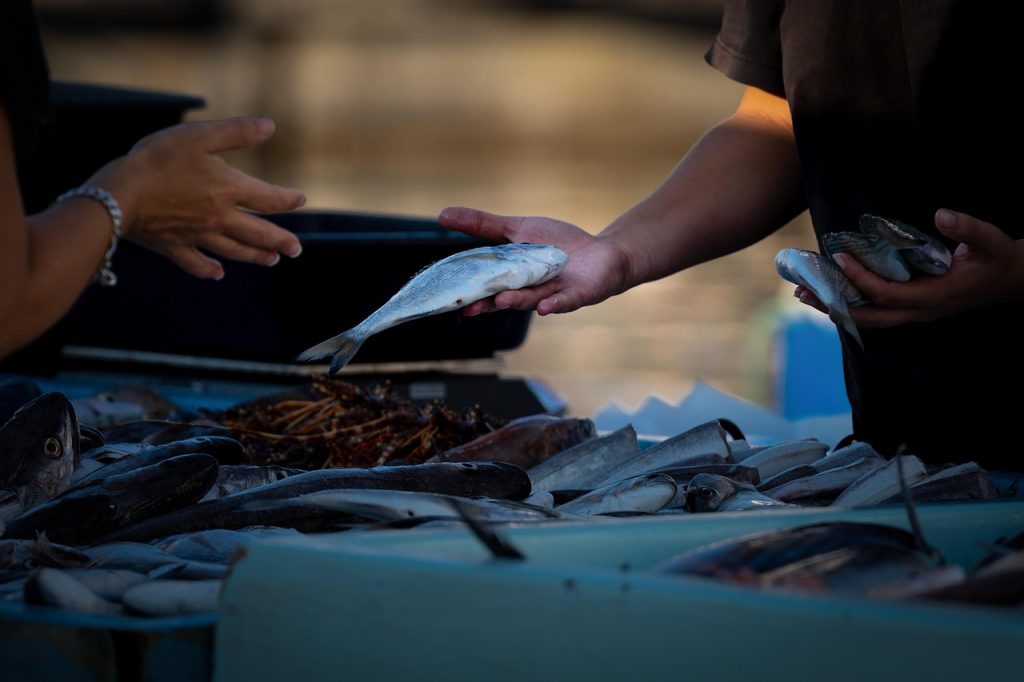
Bali’s seaside charm is not only found in its beaches, waves, and sunsets, but also in its vibrant seafood culture. At the heart of this culinary tradition lies the Kedonganan Fish Market, one of the island’s most iconic destinations for fresh seafood. Located on the southwestern coast near Jimbaran, this bustling fish market is both a local institution and a must-visit spot for food lovers, home cooks, and anyone who appreciates the unique experience of buying fish straight from the source.
Whether you’re planning to prepare your own seafood feast, sample the freshest catch grilled on the beach, or simply explore a lively slice of Balinese daily life, this complete guide covers everything you need to know: how the market works, what you can buy, how to choose seafood wisely, tips for cooking at home, and the best ways to enjoy seafood in the local style.
Where Is Kedonganan Fish Market?
Kedonganan Fish Market is situated in the coastal fishing village of Kedonganan, part of the larger Jimbaran area. This market is far more than a place to buy fish; it represents a living connection between Bali’s fishing communities and both local and international visitors who value the freshest seafood available.
Every day, fishermen return from the sea with their haul sometimes in the early morning before sunrise and by dawn, the market is alive with activity. Rows of stalls display gleaming fish, vibrant shellfish, and piles of crustaceans, while buyers inspect, haggle, and select the best products. The early morning fish auctions and sorting are a spectacle in themselves, reflecting generations of knowledge and community practice.
For Bali visitors, Kedonganan Fish Market provides a rare opportunity to experience firsthand where the seafood that often ends up on dinner plates in nearby restaurants and seafood cafés originates. It is both a cultural experience and a practical destination.
Also read: What is a Construction Site? A Complete Beginner’s Guide
What You Can Buy at Kedonganan Fish Market
One of the biggest draws of Kedonganan Fish Market is its extraordinary variety of seafood. Because local fishers venture into rich fishing grounds around Bali and beyond, the market’s offerings reflect both daily catches and seasonal availability. Common seafood available includes:
1. Various Tropical Fish
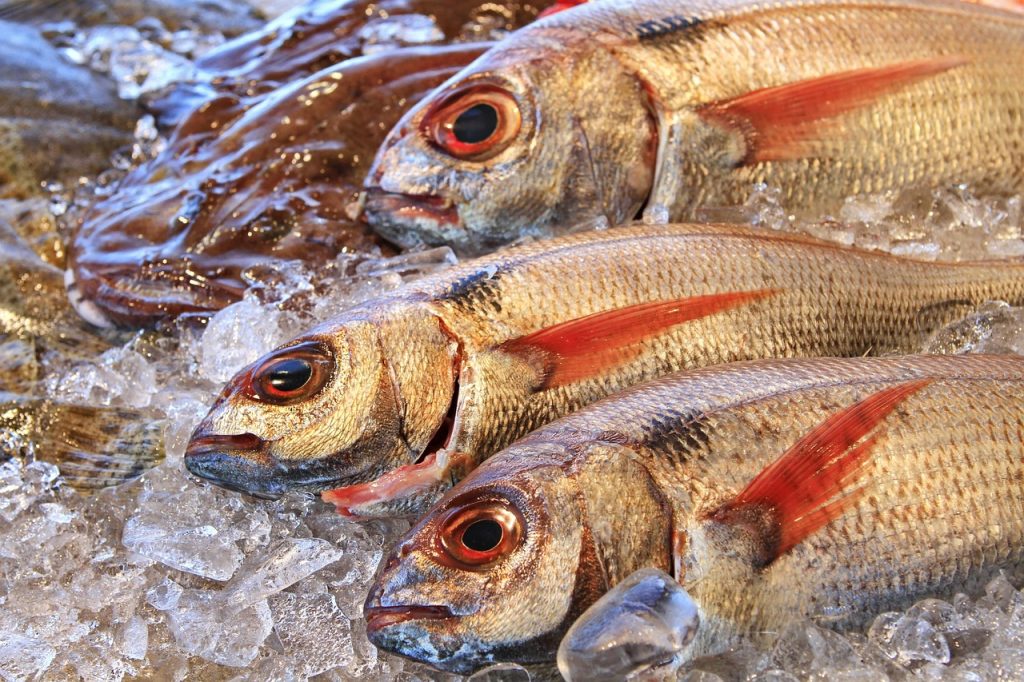
You can find many types of fish, ranging from reef species to pelagic varieties. Snapper, grouper, emperor fish, mackerel, and tuna are among the common fish you’ll see. Freshness is unmistakable fish should have bright eyes, firm flesh, and a clean, ocean scent.
2. Shrimp and Prawns
Different sizes of shrimp and prawns are available, from smaller varieties ideal for stir-fries and curries to large prawns suited for grilling whole or sautéing with spices.

3. Squid and Octopus
Soft, translucent squid and tender octopus are often displayed in neat rows. These are perfect for quick grilling, frying, or adding to seafood pasta and salads.
4. Crabs
Crabs of various sizes show up regularly, including blue swimmer crabs and larger varieties. These are prized for their sweet meat and can be cooked in multiple ways, from simple steaming to spicy Balinese preparations.
5. Lobster and Other Shellfish
Depending on the season and catch, you may find lobster, clams, mussels, and other shellfish. These offer rich flavors and are often more expensive, but highly desirable for special meals.
6. Rays and Smaller Seafood
Rays, small sturgeon-like fish, and other less common catches are also part of the market’s diversity. These may be easier to spot at specific times of year or on days when certain fishing trips return.
Seasonality and weather conditions can influence what is available each day, so exploring the market early in the morning increases your chances of seeing the widest range of seafood.
How to Choose the Freshest Seafood
Selecting high-quality seafood ensures the best flavor and safety. Here are practical tips to help you choose:
1. Look for Clear Eyes and Firm Flesh
Fresh fish should have bright, clear eyes that are slightly protruding. Cloudy or sunken eyes can indicate older catch. The flesh should be firm and spring back when pressed gently.
2. Smell Is Key
Good seafood should smell like the ocean salty and fresh. A strong “fishy” smell can indicate aging. Be mindful and trust your nose when selecting products.
3. Color and Moisture
Fish and shellfish should have vibrant colors and moist surfaces. Avoid seafood with dullness or dryness, as that may suggest it has been out of water for too long.
4. Shellfish Mobility
When buying shellfish like clams or mussels, check that they close their shells when tapped lightly this indicates they are alive and fresh. Crabs should still show good movement in their legs or claws.
5. Buy Early
The best seafood is usually available early in the morning, when catches are brought in directly from fishing boats. Arriving at the market shortly after daybreak allows you to choose before the best pieces are taken.
Engaging with sellers and asking questions about when the seafood was caught can further help you make informed selections. Most local vendors are happy to share insights, tastes, and cooking recommendations based on how their seafood performs when prepared.
Buying Seafood to Cook at Home or Your Accommodation
For travelers staying in Bali with a kitchen whether in a private villa, guesthouse, or apartment buying fish at Kedonganan Fish Market can be an exciting culinary adventure. Here’s how to make the most of your purchase:
1. Bring Appropriate Storage
If you’re buying early in the day and plan to cook later, bring a cooler or insulated bag with ice packs to keep seafood fresh during transport.
2. Ask for Cleaning
Many vendors can clean your catch scaling, gutting, and filleting fish or prepping shellfish for a small fee. This service saves preparation time and lets you focus on cooking.
3. Plan Simple Preparations
Fresh seafood shines with simple cooking techniques. Grilling, baking, or lightly pan-searing with fresh herbs, citrus, and local spices allows the natural sweetness of the seafood to stand out.
4. Experiment with Local Flavors
Balinese cuisine embraces bold flavors. Try marinating seafood with local spices, turmeric, chili, garlic, lime, and coconut for dishes that celebrate the cultural palate.
5. Use Fresh Ingredients from Local Markets
Pair your seafood with produce from nearby markets tropical greens, local herbs, shallots, and citrus to create vibrant, balanced meals.
By integrating your fresh fish with local ingredients and cooking styles, you not only enjoy superior flavor but also connect more deeply with Bali’s culinary culture.
Grilled Seafood and Beach BBQ Experiences Near the Market
If cooking isn’t part of your travel plan, Kedonganan and nearby Jimbaran Bay offer unforgettable dining experiences where your seafood can be grilled to order and served right on the beach.
In Jimbaran, many beachfront cafés and seafood stalls will allow you to either choose seafood you brought from the market or select fresh catch directly from their displays. Skilled grill masters prepare your selection over charcoal, often seasoned simply with salt, lime, and local spices.
Dinner at sunset with the ocean breeze, golden sky, and the sound of gentle waves elevates the enjoyment of fresh seafood. This tradition has made Jimbaran and Kedonganan among the most beloved places in Bali for first-class seafood dining.
Whether you opt for a beach BBQ setting or a casual café, grilled seafood here tends to be served with rice, sambal (local chili sauce), vegetables, and sometimes a cold beverage, creating a memorable meal rooted in local hospitality and coastal ambiance.
Also read: Top 12 Home Decor Trends in Bali You Need to Know for 2026
Supporting Local Fishing Communities
Kedonganan Fish Market represents more than commerce; it sustains livelihoods. Many of the fishermen and families in the area rely on daily catches and sales for income. By buying seafood here, visitors directly support local communities and traditional livelihoods that have existed for generations.
This relationship between sea, market, and community helps preserve cultural practices and strengthens economic resilience in coastal villages. For visitors, this adds depth to the experience transforming a simple seafood purchase into an act of local engagement.
Practical Tips for Visiting Kedonganan Fish Market
To make the most of your visit, keep these tips in mind:
1. Go Early
The market is busiest and freshest in the early morning, often starting before sunrise and peaking around dawn. Arriving early gives you the best selection and the chance to watch the action as boats unload.
2. Bring Cash
Many vendors operate on a cash basis, and having local currency helps expedite purchases.
3. Watch the Activity
Even if you’re not buying, strolling through the market is an immersive experience. Observe fishermen, witness fish auctions, and see how different types of seafood are handled and prepared.
4. Ask Questions
Local sellers are usually friendly and willing to offer cooking tips, tastes, and insights. Don’t hesitate to ask for recommendations on how best to prepare particular fish or shellfish.
5. Combine with a Beach Visit
The market’s proximity to Jimbaran and its beaches makes it possible to combine a seafood shopping trip with a scenic beach visit or early morning stroll.
Conclusion
Kedonganan Fish Market is a unique destination where culture, livelihood, and culinary discovery converge. As a hub of fresh seafood, it offers visitors an authentic connection to Bali’s fishing heritage and abundant marine resources. Whether you’re choosing the catch of the day to cook yourself, watching the bustling activity of fishermen and vendors, or enjoying grilled seafood by the sea at sunset, the experience is both sensory and meaningful.
This fish market represents a living tradition, one that celebrates nature’s bounty, supports local communities, and invites visitors to savor the freshest flavors Bali has to offer. For seafood lovers and curious travelers alike, Kedonganan Fish Market is more than just a place to buy fish. It is a gateway to deeper understanding, richer meals, and unforgettable memories.


Rafini
Rafini is a seasoned marketing sales expert with over 15 years of experience in the hospitality industry, specializing in commercial renovation in Bali. Having honed her skills at renowned establishments like Accor and Anantara, she possesses a deep understanding of client needs and market dynamics.
Currently serving as a Regional Manager, Rafini excels in driving sales strategies and fostering strong relationships to enhance brand visibility and profitability across her region.