
Cracks in buildings are among the most common issues encountered in residential, commercial, and industrial structures. While some cracks are purely cosmetic and harmless, others can indicate serious structural problems that require immediate attention. Understanding the causes, recognizing different crack types, and knowing the appropriate solutions are essential for property owners, builders, and engineers who want to maintain safety and long-term durability.
Buildings naturally undergo stress from environmental conditions, material aging, and structural loads. Over time, these stresses can lead to visible cracks on walls, ceilings, floors, or foundations. The key is not to panic at the first sign of a crack but to evaluate it carefully and determine whether it is superficial or a warning sign of deeper structural concerns. This comprehensive guide explains the main causes of cracks, the various types found in buildings, and the best methods to prevent and repair them.
Why Do Cracks Occur in Buildings?
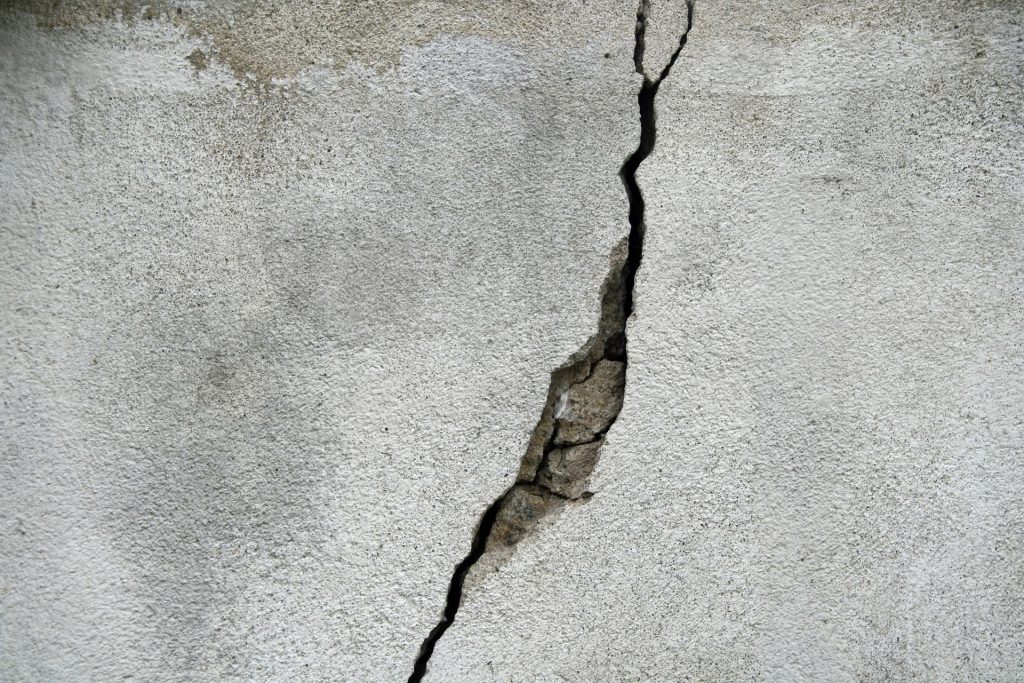
Cracks appear when internal or external forces exceed the strength of building materials. Concrete, brick, plaster, and even steel-reinforced structures expand and contract under changing conditions. When movement becomes excessive or uneven, cracks form to release built-up stress.
One of the primary reasons for cracks is structural movement. Buildings settle over time as soil beneath the foundation compresses. Minor settlement is normal, but uneven settlement can cause stress concentrations that lead to visible fractures.
Another major factor is temperature variation. Materials expand when heated and contract when cooled. Without adequate expansion joints, this constant movement creates tension that eventually results in cracking.
Moisture also plays a significant role. Water infiltration, humidity, and poor drainage can weaken materials and trigger cracks. Additionally, improper construction techniques, low-quality materials, and design flaws may accelerate crack formation.
Also read: Top 10 Architect Services in Bali for Stunning Tropical Designs
Common Causes of Cracks in Buildings
1. Foundation Settlement
Settlement occurs when soil beneath a building shifts or compresses. This can happen due to poor soil compaction, changes in groundwater levels, or nearby construction activities. Differential settlement, where one part of a building sinks more than another, often results in diagonal or stair-step cracks.
2. Thermal Expansion and Contraction
Temperature changes cause materials to expand and shrink. Over time, repeated cycles can lead to small fractures, particularly in long walls or exposed concrete surfaces. Expansion joints are designed to control this movement, but if they are missing or poorly installed, cracks may develop.
3. Moisture and Water Damage
Water is one of the most destructive forces affecting buildings. Leaking pipes, heavy rainfall, poor drainage, or rising damp can weaken materials and create swelling or shrinkage. This often leads to cracks in plaster, masonry, or concrete.

4. Structural Overloading
Adding additional floors, heavy equipment, or renovations without proper structural analysis can overload beams and columns. Excessive loads create stress that exceeds the design capacity, resulting in cracks.
5. Poor Construction Practices
Using low-quality materials, incorrect concrete mixing ratios, inadequate curing, or improper reinforcement placement can weaken structural elements. Cracks caused by construction defects may appear soon after completion.
6. Earthquakes and Vibrations
Seismic activity, heavy traffic, or nearby construction vibrations can cause sudden structural movement. Even minor tremors can produce hairline cracks in rigid materials.
7. Corrosion of Reinforcement Steel
In reinforced concrete, steel bars provide tensile strength. When moisture and oxygen reach the steel, corrosion can occur. Rust expands, pushing against the surrounding concrete and causing cracks or spalling.
Types of Cracks in Buildings
Understanding the shape, direction, and size of a crack helps determine its cause and severity.
Hairline Cracks
Hairline cracks are very thin and often appear on plaster or paint surfaces. They are usually caused by shrinkage during drying or minor thermal movement. These cracks are generally cosmetic and do not affect structural integrity.
Vertical Cracks
Vertical cracks often occur due to normal settlement or thermal expansion. If they remain narrow and stable, they are typically not dangerous. However, widening vertical cracks may indicate foundation issues.
Horizontal Cracks
Horizontal cracks can be more serious, especially when found in foundation walls or load-bearing elements. They may signal excessive soil pressure, structural movement, or reinforcement problems.
Diagonal Cracks
Diagonal or stair-step cracks in brickwork are common indicators of differential settlement. These cracks require careful inspection because they can reflect uneven foundation movement.
Structural Cracks
Structural cracks are wider and may extend through multiple layers of material. They can affect beams, columns, or slabs and often require professional engineering evaluation.
Shrinkage Cracks
Shrinkage cracks occur when concrete loses moisture too quickly during curing. Proper curing methods and mix design help reduce this risk.
Expansion Cracks
These cracks form when materials expand due to heat or moisture but lack sufficient space to move freely. Expansion joints are essential to prevent them.
How to Identify Serious Structural Cracks
Not all cracks require urgent repairs, but certain warning signs indicate potential structural problems:
- Cracks wider than a few millimeters
- Rapidly growing or spreading cracks
- Cracks accompanied by doors or windows that no longer close properly
- Visible gaps between walls and ceilings
- Uneven floors or tilting walls
If these symptoms appear, consulting a structural engineer is essential to determine the underlying cause and necessary repairs.
Inspection and Assessment Methods
Proper assessment begins with a visual inspection. Professionals examine crack patterns, measure width, and observe surrounding structural elements. Monitoring tools may be installed to track whether cracks are stable or progressing.
In more complex cases, engineers use advanced methods such as:
- Non-destructive testing of concrete
- Soil testing around foundations
- Structural modeling to evaluate load distribution
These assessments help identify whether cracks are superficial or related to deeper structural concerns.
Solutions and Repair Techniques
Cosmetic Repairs
For hairline or non-structural cracks, simple surface treatments are often sufficient. Filling cracks with flexible sealant or repainting can restore appearance and prevent moisture infiltration.
Crack Injection
Epoxy or polyurethane injection is commonly used for repairing concrete cracks. Epoxy restores structural strength, while polyurethane seals leaks by expanding inside the crack.
Stitching and Reinforcement
Structural cracks may require additional reinforcement. Steel bars or fiber-reinforced materials are inserted across the crack to stabilize the affected area.
Foundation Underpinning
When cracks result from settlement, underpinning methods such as micropiles or additional footings can strengthen the foundation and prevent further movement.
Expansion Joint Installation
Adding expansion joints allows materials to move naturally, reducing stress and preventing future cracks.
Waterproofing and Drainage Improvement
Improving drainage systems, installing waterproof membranes, and sealing moisture entry points help prevent cracks caused by water damage.
Preventive Measures During Construction
Prevention is always more cost-effective than repair. Builders and engineers can reduce crack risks by following best practices:
- Conduct thorough soil investigations before construction
- Use proper concrete mix design and curing methods
- Install expansion and control joints in large structures
- Ensure adequate reinforcement placement
- Design effective drainage systems around the building
By addressing these factors during the design phase, many cracking issues can be avoided entirely.
Maintenance Strategies for Building Owners
Regular maintenance plays a key role in preventing cracks from worsening. Property owners should inspect walls, ceilings, and foundations periodically, especially after heavy rain or seismic activity.
Simple steps such as cleaning gutters, fixing plumbing leaks, and maintaining proper landscaping around the foundation can significantly reduce moisture-related damage. Early detection allows for minor repairs before problems escalate into costly structural issues.
Also read: Top 10 Interior Design Companies in Bali for Luxury Homes and Resorts
The Role of Climate and Environment
Environmental conditions greatly influence crack formation. In tropical regions with high humidity and temperature fluctuations, materials experience continuous expansion and contraction. Coastal areas may also face salt exposure, accelerating corrosion in reinforced concrete.
Adapting building design to local climate conditions is crucial. Using durable materials, protective coatings, and proper ventilation helps extend the lifespan of structures.
When to Seek Professional Help
While small cosmetic cracks can often be handled with basic repairs, certain situations require expert evaluation. Structural engineers and experienced contractors can diagnose underlying causes and recommend safe solutions. Ignoring serious cracks may lead to further deterioration, safety risks, and expensive restoration work.
Conclusion
Cracks in buildings are a natural part of structural aging, but understanding their causes and characteristics is essential for maintaining safety and longevity. From harmless hairline fractures to significant structural cracks, each type provides clues about the condition of a building and the stresses it experiences.
By recognizing common causes such as foundation settlement, thermal movement, moisture damage, and construction defects, property owners and professionals can take proactive steps to prevent and repair cracks effectively. Modern engineering techniques, combined with proper maintenance and thoughtful design, ensure that buildings remain strong and stable for decades to come. Ultimately, addressing cracks early is the best way to protect both the structural integrity and the long-term value of any construction project.


Gracia Rena
Gracia is a co-owner of the company and a seasoned professional with over 20 years of experience in the hospitality industry. Her impressive background includes roles at major organizations such as Marriott, Accor, Banyan Tree, Sudamala, and Singapore Airlines.
With a profound understanding of luxury service standards and operational excellence, Gracia brings invaluable expertise to the business. Her strategic insight and dedication to quality have been instrumental in shaping the company’s growth, ensuring its continued reputation for delivering exceptional value and innovation in hospitality and commercial projects across the region.