
Construction activity in Bali continues to grow rapidly, driven by tourism development, residential expansion, and increasing demand for commercial properties. From luxury villas in Ubud to high-end resorts in Canggu and infrastructure projects across the island, construction plays a vital role in Bali’s economy. However, this rapid growth also brings significant responsibility: ensuring safety for workers, contractors, and surrounding communities. Understanding construction site safety rules and regulations in Bali is not only essential for legal compliance but also crucial for maintaining project quality, protecting lives, and preserving the island’s environment.
This complete guide explores the core safety standards, legal requirements, practical risk management strategies, and best practices that developers, contractors, and property owners must follow when operating construction projects in Bali.
Understanding the Legal Framework of Construction Safety in Bali
Construction safety in Bali is governed primarily by Indonesian national regulations, combined with regional policies and industry standards. The Indonesian government enforces occupational health and safety through laws designed to minimize workplace accidents and ensure responsible construction practices.
One of the key foundations is occupational safety legislation that requires employers to protect workers from hazards through training, supervision, and proper equipment. Contractors must follow national building standards, workplace safety regulations, and local permits issued by regional authorities. In Bali, local government offices also monitor construction activities to ensure compliance with zoning rules, environmental protection, and community safety.
Developers and contractors are legally responsible for creating safe working conditions. Failure to comply with safety regulations can result in project shutdowns, fines, or legal consequences.
Also read: 7 Best Contractors in Bali for Quality Construction in this year
Key Authorities and Regulatory Bodies
Several authorities oversee construction safety in Bali:
Ministry of Public Works and Housing
This national authority sets construction standards, technical guidelines, and safety requirements. It regulates structural safety, building codes, and engineering practices across Indonesia.
Ministry of Manpower
Workplace safety and labor protection fall under this ministry. It establishes rules related to worker training, protective equipment, and occupational health standards.
Local Government (Pemda Bali)
Regional authorities issue construction permits and monitor compliance with local regulations. They also respond to safety complaints and community concerns.
Safety Supervisors and Certified Experts
Many projects require certified safety officers or supervisors to monitor daily operations and ensure compliance with safety protocols.
Understanding how these institutions interact is essential for project owners who want to avoid legal risks and maintain smooth construction progress.

Mandatory Safety Planning Before Construction Begins
Before construction starts, developers must prepare several safety-related documents and procedures. Proper planning significantly reduces risks during the building phase.
Risk Assessment and Hazard Identification
A comprehensive risk assessment identifies potential dangers such as falling hazards, heavy equipment risks, electrical exposure, and unstable terrain. Projects in Bali often involve sloped landscapes, which increase the importance of soil stability analysis.
Safety Management Plan
A safety management plan outlines procedures for accident prevention, emergency response, and worker training. This document should include clear responsibilities for supervisors and workers.
Permits and Compliance Documentation
Construction permits require adherence to zoning regulations and environmental guidelines. Authorities may review safety aspects before approving a project.
Without these initial preparations, construction sites may face delays or legal issues.
Personal Protective Equipment (PPE) Requirements
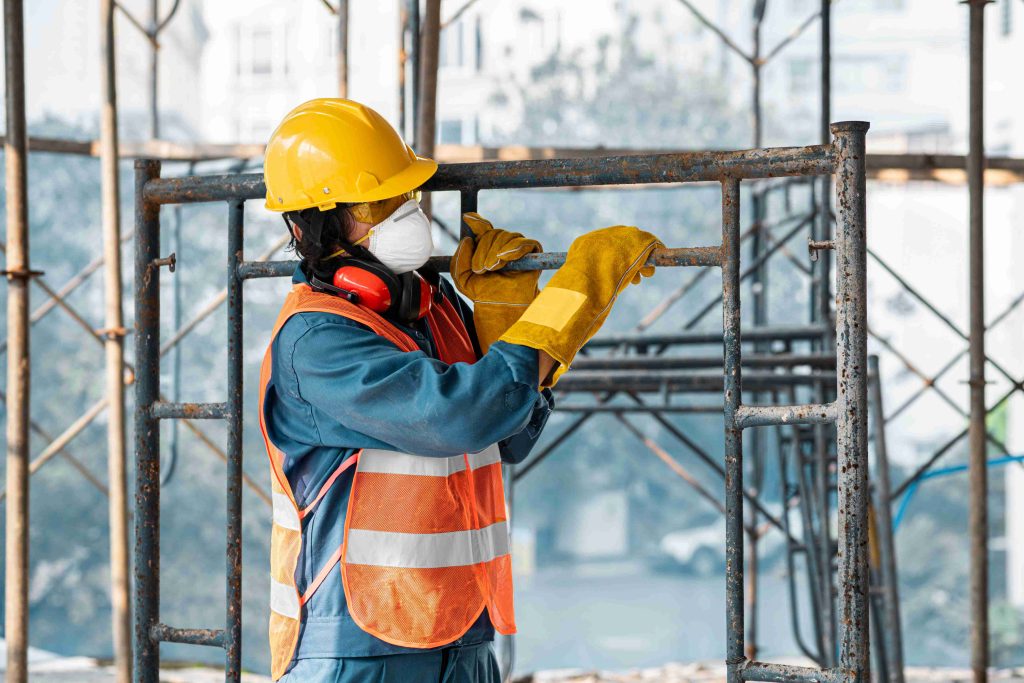
Personal protective equipment is a basic but essential part of construction safety. Indonesian regulations require employers to provide proper PPE based on job risks.
Common PPE used on construction sites in Bali includes:
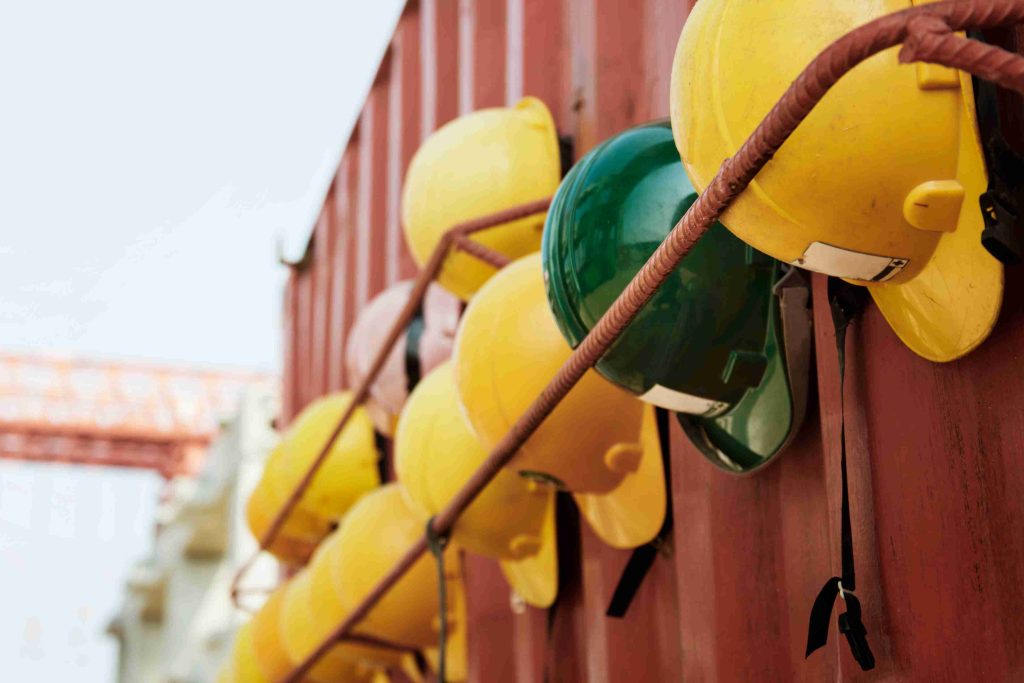
- Safety helmets to protect against falling objects
- High-visibility vests for worker identification
- Protective gloves and boots
- Eye protection for cutting or welding tasks
- Safety harnesses for work at heights
Supervisors must ensure workers consistently use PPE. Even on smaller villa projects, failure to enforce protective equipment can lead to serious accidents.
Working at Heights: One of the Biggest Safety Risks
Many construction projects in Bali involve multi-story villas, hotels, and high-roof structures. Working at heights presents significant dangers, especially during roofing, scaffolding, or facade installation.
Scaffolding Standards
Scaffolding must be stable, securely assembled, and regularly inspected. Guardrails and secure platforms help prevent falls.
Safety Harness Systems
Workers operating at elevated levels should use harness systems anchored to strong structural points.
Ladder Safety
Improper ladder usage is a common cause of injury. Ladders must be stable, positioned correctly, and used according to safety guidelines.
Ensuring height safety not only protects workers but also prevents project delays caused by accidents.
Heavy Equipment and Machinery Safety
Construction sites in Bali frequently use excavators, cranes, and concrete mixers. Proper machine operation is essential to prevent injuries and structural damage.
Operator Certification
Equipment operators should have proper training and certification. Unauthorized operation increases risk significantly.
Regular Maintenance
Machines must undergo routine inspection and maintenance. Poorly maintained equipment can malfunction and create hazardous situations.
Clear Communication Zones
Establishing safe zones and communication signals between operators and ground workers helps prevent collisions or misunderstandings.
Electrical Safety on Construction Sites
Electrical hazards are a serious concern, particularly during the installation of lighting systems, air conditioning units, and power infrastructure.
Key electrical safety practices include:
- Using insulated tools and cables
- Protecting wiring from water exposure
- Installing temporary electrical systems according to professional standards
- Ensuring only qualified electricians handle complex electrical work
Given Bali’s tropical climate, moisture and rain can increase electrical risks, making proper insulation and weather protection critical.
Environmental and Community Safety Considerations
Construction safety in Bali extends beyond the site itself. Projects must consider the surrounding environment and local communities.
Dust and Noise Control
Excessive dust or noise can disturb nearby residents and businesses. Using barriers, water spraying, and controlled work hours helps maintain harmony with the community.
Waste Management
Construction waste should be disposed of responsibly to prevent environmental damage. Illegal dumping can lead to penalties and harm Bali’s natural ecosystem.
Traffic Management
Many construction sites are located near narrow roads or tourist areas. Proper traffic control helps prevent accidents involving pedestrians or vehicles.
Respecting environmental and social factors is particularly important in Bali, where cultural values and tourism reputation play a significant role.
Worker Training and Safety Culture
A strong safety culture begins with education and awareness. Contractors should conduct regular safety briefings and training sessions covering:
- Hazard recognition
- Emergency procedures
- Proper equipment usage
- Communication protocols
Daily safety meetings, often called toolbox talks, help workers stay informed about risks and maintain discipline on site.
Language diversity among workers in Bali can sometimes create communication challenges. Clear instructions, visual signage, and multilingual supervisors help ensure everyone understands safety procedures.
Emergency Response and First Aid Requirements
Accidents can happen even with strong safety measures. Construction sites must be prepared to respond quickly and effectively.
First Aid Stations
Sites should include accessible first aid kits and trained personnel capable of providing immediate assistance.
Emergency Evacuation Plans
Clear evacuation routes and assembly points should be established. Workers must know what to do in case of fire, structural collapse, or natural disasters.
Coordination with Local Services
Contact information for nearby hospitals, clinics, and emergency services should be readily available.
Considering Bali’s earthquake risk and seasonal weather conditions, emergency preparedness is especially important.
Safety Challenges Unique to Bali’s Construction Industry
While many safety principles are universal, Bali presents unique challenges that require special attention.
Tropical Weather Conditions
Heavy rain and high humidity can create slippery surfaces, unstable soil, and increased risk of electrical hazards.
Remote Project Locations
Some luxury villa developments are built in remote areas with limited infrastructure. Ensuring access to emergency services and proper transportation routes is essential.
Rapid Development Pressure
Fast-paced construction schedules sometimes lead to shortcuts in safety practices. Maintaining strict safety standards protects both workers and project timelines.
Benefits of Strong Construction Safety Practices
Implementing comprehensive safety measures offers significant advantages:
- Reduced risk of injury or fatalities
- Improved project efficiency
- Better reputation among clients and investors
- Compliance with legal regulations
- Lower insurance and compensation costs
Developers who prioritize safety often build stronger relationships with local communities and attract more professional workers.
Also read: 7 Best Architect Firms in Bali You Should Know in Bali
Best Practices for Developers and Contractors in Bali
To maintain high safety standards, consider the following practices:
- Hire experienced contractors familiar with Indonesian regulations.
- Appoint a dedicated safety officer for medium to large projects.
- Conduct regular safety audits and inspections.
- Invest in proper training programs.
- Maintain clear documentation of safety procedures and incidents.
These strategies help create a professional and responsible construction environment.
Final Thoughts
Construction site safety in Bali is not just a legal requirement—it is a fundamental responsibility that protects workers, communities, and the long-term success of development projects. With rapid growth across the island, understanding and implementing proper safety rules and regulations has never been more important.
From wearing appropriate protective equipment to following structured safety management plans and respecting environmental guidelines, every aspect of construction contributes to a safer industry. Developers and contractors who prioritize safety not only comply with Indonesian regulations but also build trust, maintain project quality, and support sustainable development in Bali.
By combining strong planning, professional supervision, and a culture of awareness, construction projects in Bali can continue to grow while ensuring the well-being of everyone involved.


Indah Suzanne
Indah Suzanne is a key player in Indonesia's design and architecture scene, leading Karyanusa Asia from Bali. As the driving force behind Karyanusa Asia in Bali, she combines innovative design concepts with exceptional construction expertise, delivering world-class villas, commercial spaces, and bespoke architectural projects that reflect both modern elegance and the island’s rich cultural heritage.