


Turtles are among the most remarkable creatures on Earth. With evolutionary roots reaching back more than 100 million years, sea turtles have weathered dramatic planetary changes and survived mass extinctions. Today, however, they face a new suite of threats driven by human activity. In Bali, one of Indonesia’s most celebrated islands for biodiversity and travel, sea turtle conservation has grown into an important environmental movement one that brings together science, community participation, tourism, and global concern for marine ecosystems.
For nature lovers, exploring Bali’s turtle conservation efforts offers an opportunity to understand why these animals matter, what threats they face, how people are working to protect them, and how visitors can engage ethically and meaningfully. This guide covers all of those areas in depth.
Why Sea Turtles Matter
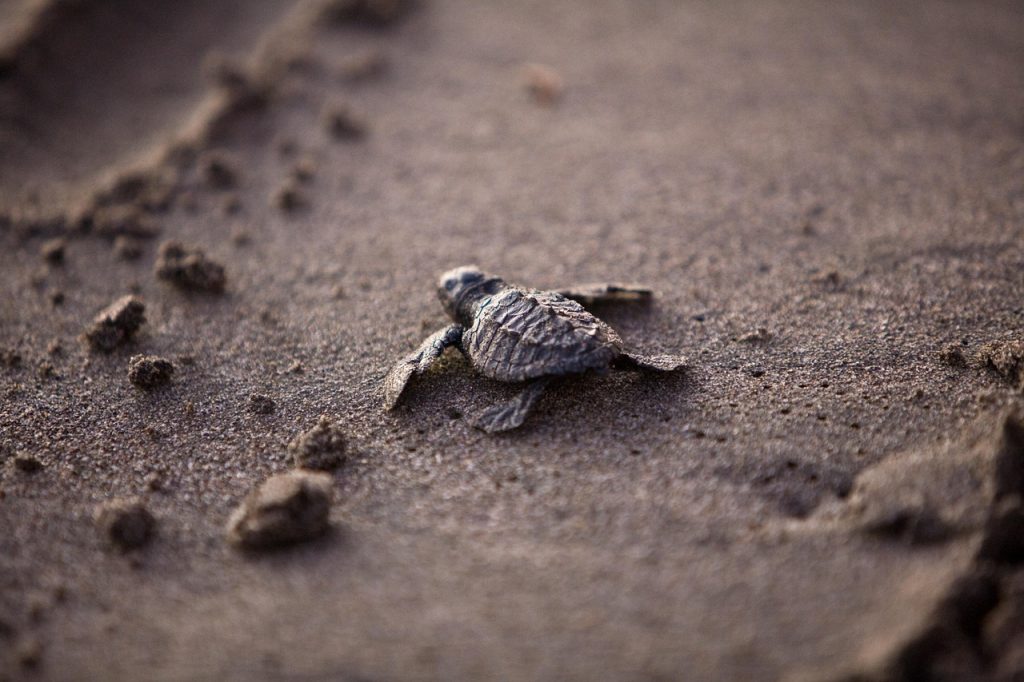
Sea turtles are not just beautiful animals to observe; they are keystone species, organisms that play a critical role in maintaining the structure and health of their ecosystems. Their importance extends across multiple ecological dimensions:
1. Marine Food Webs and Habitat Health
Green turtles, for example, play a major role in maintaining seagrass beds. By grazing on seagrass, they keep these underwater meadows healthy, which supports a diverse array of marine life, including fish and invertebrates. Hawksbill turtles feed on sponges, preventing those sponges from overtaking coral reefs. These grazing behaviors help maintain balanced and productive habitats.
2. Nutrient Cycling
Sea turtles transport nutrients across ecosystems. When they nest on sandy beaches, they bring nutrients from the ocean to the land that can benefit coastal vegetation. When hatchlings emerge and crawl toward the sea, they support nutrient flow from beach to ocean in a natural cycle.
3. Cultural and Economic Value
In many cultures, sea turtles are symbols of longevity, wisdom, and connection to the ocean. They also contribute to eco-tourism economies, attracting visitors who want to experience marine wildlife responsibly.
Because turtles interact with many parts of marine ecosystems, declines in their populations can reverberate across seagrass beds, coral reefs, beaches, and even local fishing communities.
Also read: 7 Best Architect Firms in Sanur for Timeless Bali Tropical Designs
The Sea Turtles of Bali
Around Bali’s waters and coastal sandy areas, several sea turtle species are encountered. Most are considered endangered or vulnerable under global conservation assessments.
Green Sea Turtle (Chelonia mydas)
The green sea turtle is one of the most widely recognized species around Bali. Named not for the color of its shell but for the green hue of its body fat, this species is primarily herbivorous as an adult, feeding on seagrass and algae. Green turtles grow large and can live for decades, with females returning repeatedly to nest on beaches where they were once hatchlings.

Hawksbill Turtle (Eretmochelys imbricata)
Hawksbill turtles are smaller and more ornate than green turtles, with a distinctive pointed beak and overlapping scutes on their shells. Hawksbills are associated with coral reef habitats, where they feed on sponges. Because of their unique shells, hawksbills have historically been targeted for trade, contributing to severe declines in their populations.
Olive Ridley Turtle (Lepidochelys olivacea)
Olive ridley turtles are the smallest of the species commonly found in Indonesian waters, including areas near Bali. While not as abundant on Bali’s main island beaches, they are part of the broader regional population and are known for their unique arribada nesting behavior in other parts of the world in which thousands of turtles nest in mass synchrony.
Each species plays a unique ecological role and faces distinct threats, but all are affected by human impacts on the environment.
Major Threats to Sea Turtles
Despite their ancient lineage, sea turtles today must contend with challenges that have increased dramatically over the past century. Many of these threats are global in nature, but they are acutely felt in places like Bali, where rapid tourism growth, coastal development, and fishing pressures intersect.
Habitat Loss and Coastal Development
Beaches are essential for sea turtle nesting. When beachfront areas are developed for resorts, homes, or infrastructure, nesting habitat is reduced or destroyed. Lights from buildings and streets confuse turtle hatchlings, which rely on natural light patterns to make their way to the ocean. Even seemingly small changes in coastal environments can disrupt nesting behavior and decrease hatchling survival.
Illegal Harvesting and Trade
Although protective laws exist, the illegal collection of eggs and the capture of turtles for meat or shells still occurs in some areas. Eggs are sometimes taken for supposed aphrodisiacs or food, and shells may be sold as decorative ornaments. Such practices reduce the number of hatchlings that make it to the ocean, impacting future population growth.
Fishing Bycatch and Gear Entanglement
Sea turtles are often caught accidentally in fishing nets, longlines, and other gear. This “bycatch” can injure or drown turtles. Efforts to use turtle-friendly gear and to enforce sustainable fishing practices are part of broader conservation strategies.
Marine Pollution and Plastic Debris
Plastic pollution is a direct and deadly threat. Turtles often mistake floating plastic bags for jellyfish or other prey. Ingested plastics can block digestive tracts, cause internal injuries, or lead to malnutrition. Abandoned fishing gear, chemical pollutants, and runoff from land also degrade marine habitats.
Boat Traffic and Strikes
In busy marine areas, turtles are vulnerable to strikes from boats, particularly near tourist snorkeling spots or harbors. Injuries from propellers and collisions can be fatal or lead to long-term rehabilitation needs.
Climate Change
Rising temperatures affect turtle nesting in multiple ways. Since sex determination in many sea turtle species depends on sand temperature, increased heat can skew hatchling sex ratios toward females, potentially reducing future reproductive success. Sea level rise and more frequent storms also threaten nesting beaches.
Bali’s Conservation Response
Given the severity of threats, Bali has developed a diverse set of conservation efforts involving government bodies, non-governmental organizations, local communities, volunteers, and ethical tourism programs.
Beach Patrols and Nest Protection
One of the most important and labor-intensive conservation activities is monitoring nesting beaches. Trained staff and volunteers patrol at dawn and dusk to locate nests, record data, and mark and protect nests from predators or human interference. In some cases, nests are carefully relocated to safer areas if they are in zones at risk of flooding or high predation.
Nest protection also includes installing natural barriers or shading methods to buffer eggs from temperature extremes, as well as protecting nests from beach erosion.
Hatchling Rearing and Release Programs
In some conservation centers, turtle eggs are collected and incubated in controlled environments to improve hatching success. Once hatchlings emerge, they are cared for briefly and released at optimal tide and light conditions to improve their chance of reaching the sea safely. These programs often involve community participation and educational components that engage local residents and visitors.
Rescue and Rehabilitation
Injured turtles that are found stranded on beaches or brought in by locals are assessed and cared for until they are ready for release. Rehabilitation facilities provide medical treatment, clean tanks with safe water conditions, and monitored recuperation. This work requires veterinary expertise as well as trained staff and volunteers.
Public Education and Community Outreach
Education is a cornerstone of effective conservation. Outreach programs teach coastal communities about the importance of turtles to marine ecosystems and encourage sustainable use of resources. Local schools, businesses, and government agencies often participate in awareness campaigns that promote reduction of plastic use, responsible fishing practices, and protection of nesting habitats.
Scientific Monitoring and Research
Data collection and scientific research help guide conservation strategies. Tracking nesting patterns, hatchling success rates, and migration patterns enables organizations to evaluate which measures are effective and where new efforts should be focused. Marine biologists and conservation scientists work with local partners to publish findings that inform conservation policy.
Ethical Engagement for Nature Lovers
For travelers and nature enthusiasts who want to engage with turtle conservation in Bali, there are important ethical guidelines to follow. Responsible engagement ensures that your actions support conservation rather than unintentionally harming animals or exploiting their plight.
Choose Programs with Strong Conservation Integrity
Not all volunteer opportunities are created equal. Some tourism-oriented turtle experiences focus on selfies and brief interactions rather than genuine conservation work. Before participating, ask programs about their mission, how funds are used, how animals are handled, and whether activities are supervised by trained staff.
Strong conservation programs prioritize animal welfare and long-term impact. They are transparent about their operations and have measurable goals.
Avoid Direct Handling of Wildlife Unless Supervised
While it can be tempting to hold a hatchling or interact closely with a turtle, this should only occur under the guidance of trained conservation staff. Improper handling can stress animals, interfere with natural behaviors, and cause harm.
Support Local Communities
Programs that involve and benefit local residents are essential for sustainable conservation. When communities see economic and cultural value in protecting turtles, rather than exploiting them, conservation success becomes more lasting. Choose experiences that respect local traditions and empower local stakeholders.
Reduce Your Plastic Use and Eco-Footprint
Turtles are highly susceptible to plastic pollution. Reducing single-use plastics in your travels—using reusable bottles, bags, and containers—helps decrease the likelihood that harmful debris enters waterways and marine environments.
Observe, Don’t Disturb
When visiting beaches where turtles nest or hatchlings emerge, maintain a respectful distance. Avoid using bright lights or flash photography at night, which can disorient turtles. If you encounter nesting activity, let trained staff know so they can manage the situation safely.
Also read: 7 Leading Construction Companies in Uluwatu for High-End Bali Villa
What You Can Do Beyond Bali
Turtle conservation is a global issue. Actions you take at home or in other travel destinations can also make a difference:
- Support global marine conservation organizations that work on policy, habitat protection, and research.
- Advocate for sustainable fishing policies in your community or region.
- Educate others about the impacts of plastic pollution and the importance of oceans.
- Participate in beach cleanups locally and encourage others to dispose of waste responsibly.
Looking Forward: The Future of Turtle Conservation
Sea turtles face serious challenges, but the growing awareness among local communities, scientists, governments, and travelers brings hope. Over the past decade, Bali has seen measurable progress in several areas of conservation, including increased hatchling survival rates, expanded volunteer engagement, and better collaboration between stakeholders.
The future of turtle conservation depends on continued dedication to protecting nesting beaches, reducing marine pollution, improving fishing practices, and strengthening policies that safeguard marine wildlife. For nature lovers, Bali is both a reminder of what we stand to lose and an inspiration for what can be gained through cooperation, education, and passion for the natural world.
Every protected nest, every rescued turtle, and every informed visitor contributes to a legacy of stewardship that honors these ancient creatures and their place in the oceans we all share.


Rafini
Rafini is a seasoned marketing sales expert with over 15 years of experience in the hospitality industry, specializing in commercial renovation in Bali. Having honed her skills at renowned establishments like Accor and Anantara, she possesses a deep understanding of client needs and market dynamics.
Currently serving as a Regional Manager, Rafini excels in driving sales strategies and fostering strong relationships to enhance brand visibility and profitability across her region.