

Sukawati Art Market, locally known as Pasar Seni Sukawati, is one of Bali’s most iconic traditional markets, offering visitors a deep dive into the island’s artistic heritage and vibrant local culture. Located in Gianyar Regency, not far from Ubud, this bustling marketplace has long been a favorite destination for travelers seeking authentic Balinese crafts, handmade souvenirs, and affordable art pieces. Unlike modern shopping centers, Sukawati Art Market provides a lively, immersive atmosphere where bargaining, storytelling, and cultural exchange become part of the experience.
For decades, the market has served as a hub for local artisans and small businesses, showcasing everything from paintings and sculptures to textiles and traditional accessories. Its enduring popularity comes not only from the variety of goods available but also from the cultural authenticity that reflects everyday Balinese life. Visitors can explore narrow corridors filled with colors, textures, and creative energy while interacting directly with local sellers who carry on generations of craftsmanship.
The History and Cultural Significance of Sukawati Art Market
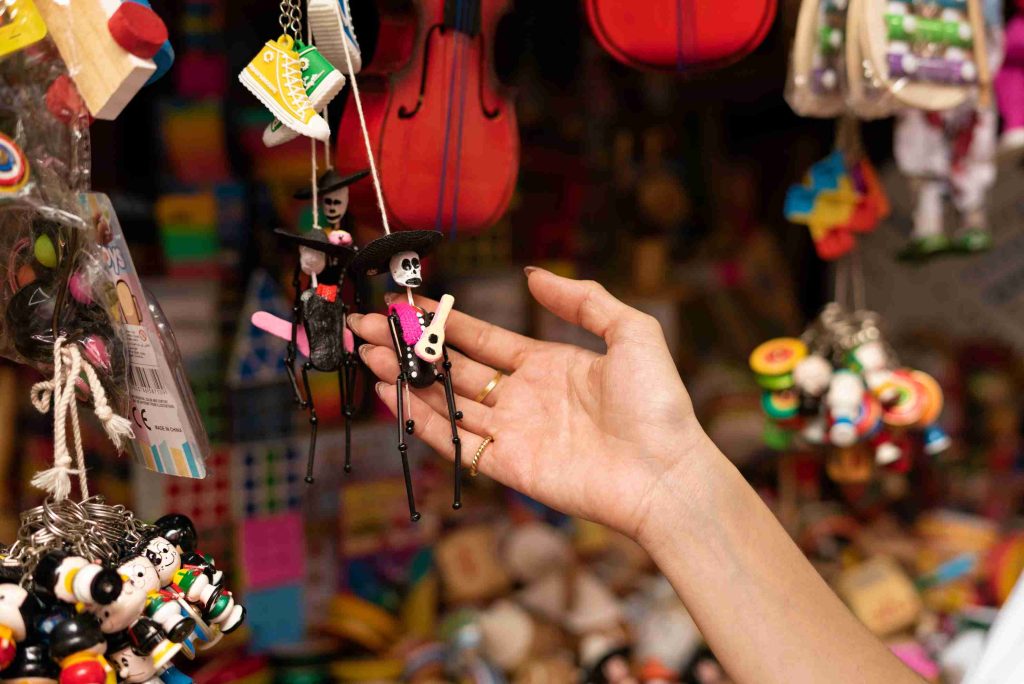
Sukawati Art Market has roots that trace back to the early development of Bali’s art trade, particularly during the growth of tourism in the 20th century. The Gianyar region has long been recognized as a center of Balinese arts, with villages producing wood carvings, paintings, and ceremonial items. As tourism expanded, Sukawati emerged as a key location where artisans could sell their work directly to visitors, creating a bridge between traditional craftsmanship and the global market.
Historically, markets in Bali have always been more than commercial spaces; they function as social gathering points where locals exchange news, maintain community ties, and celebrate cultural traditions. Sukawati Art Market reflects this spirit, blending economic activity with a sense of local identity. The market continues to preserve artistic traditions by providing a platform for handmade goods rather than mass-produced imports, although modern influences are visible in certain product categories.
Also read: What Is Architectural Specification? A Complete Guide
The cultural value of the market is evident in the diversity of items available, many of which are tied to Balinese rituals, dances, and daily life. Masks used in traditional performances, ceremonial textiles, and intricate carvings all reveal the deep connection between art and spirituality on the island.
Location and Accessibility
Sukawati Art Market is situated in Sukawati Village within Gianyar Regency, approximately 30 minutes from Ubud and about an hour from Denpasar, depending on traffic conditions. Its strategic location makes it an easy stop for travelers exploring central Bali. The market is accessible by car, motorbike, or guided tours, and many visitors combine their visit with nearby attractions such as Tegenungan Waterfall or local art villages.
Parking areas are available near the market, although they can become crowded during peak tourist seasons. Early morning visits are often recommended for a more relaxed experience, as the market tends to be busiest around midday.

What to Expect When Visiting
Entering Sukawati Art Market can feel like stepping into a vibrant maze filled with handmade goods. Rows of stalls display colorful textiles, handcrafted bags, wooden statues, and paintings inspired by Balinese mythology and nature. Vendors often greet visitors warmly, inviting them to browse and negotiate prices. Bargaining is a normal part of the shopping culture, and many travelers consider it a fun and interactive aspect of the experience.
The market typically operates from early morning until late afternoon, with the most active hours occurring before noon. During these times, local buyers, shop owners, and tourists gather to search for the best deals. The atmosphere combines the energy of a traditional market with the creativity of an art exhibition.
Popular Items to Buy at Sukawati Art Market
One of the main reasons travelers visit Sukawati is the wide variety of affordable souvenirs and handcrafted products. Traditional paintings are among the most sought-after items, ranging from detailed classical styles to contemporary interpretations of Balinese landscapes. Many artists from nearby villages supply their work directly to the market, ensuring a constant flow of fresh designs.
Textiles are another highlight, including batik fabrics, sarongs, and handmade clothing. These items often feature intricate patterns influenced by Balinese symbolism and local aesthetics. Visitors can also find woven bags, rattan accessories, and decorative home items that reflect the island’s tropical lifestyle.
Wood carvings represent an essential part of Balinese artistry, and Sukawati offers a wide selection of sculptures depicting deities, animals, and traditional motifs. Smaller decorative items such as masks, jewelry, and keychains make popular gifts due to their cultural uniqueness and reasonable prices.
Tips for Bargaining and Shopping
Bargaining is expected at Sukawati Art Market, but it should always be done respectfully. Starting with a friendly greeting and showing genuine interest in the product can create a positive interaction with sellers. Prices are usually flexible, and many vendors anticipate negotiation, so offering a lower price politely is acceptable.
It is often helpful to explore multiple stalls before making a purchase, as similar items may vary in quality and price. Carrying small denominations of Indonesian rupiah can make transactions smoother, especially when purchasing inexpensive items. Visitors should also inspect products carefully to ensure craftsmanship and authenticity meet their expectations.
The Role of Sukawati in Bali’s Creative Economy
Sukawati Art Market plays a significant role in supporting Bali’s creative economy by providing income opportunities for local artisans and small-scale producers. Unlike large retail stores, the market emphasizes handmade craftsmanship, allowing artists to maintain traditional techniques while adapting to changing market demands.
Many families rely on the market as their primary source of livelihood, selling products made in home workshops or nearby villages. This direct connection between artisans and buyers helps sustain cultural heritage while promoting sustainable tourism practices. By purchasing locally made goods, visitors contribute to the preservation of Balinese artistic traditions.
Comparing Sukawati Art Market with Other Bali Markets
Bali is home to several art markets, including Ubud Art Market and Kumbasari Market in Denpasar. While Ubud Art Market tends to attract a more international audience with curated displays, Sukawati is often regarded as a more traditional and affordable option. The variety of goods at Sukawati is extensive, and prices are generally lower, making it appealing to budget-conscious travelers and wholesale buyers.
Kumbasari Market, on the other hand, focuses more on local goods and everyday items, offering a different perspective on Balinese commerce. Sukawati stands out for its balance between artistic expression and traditional market culture, providing an authentic shopping experience that feels deeply connected to local life.
Culinary Experiences Around the Market
A visit to Sukawati Art Market can also include exploring nearby food stalls and local eateries. Traditional Balinese snacks such as jaje Bali, fried bananas, and fresh coconut drinks are commonly available around the area. Small warungs serve local dishes like nasi campur, sate lilit, and lawar, giving visitors the opportunity to enjoy authentic flavors after a long shopping session.
Trying local food adds another layer to the cultural experience, allowing travelers to connect with Bali’s culinary traditions while supporting small businesses in the community.
Sustainable and Responsible Shopping
As tourism continues to grow, responsible shopping practices have become increasingly important. Visitors are encouraged to prioritize handmade products over mass-produced souvenirs and to ask sellers about the origins of their goods. Choosing locally crafted items helps reduce environmental impact and ensures that profits remain within the community.
Bringing reusable bags and minimizing plastic waste can also contribute to more sustainable travel habits. Many vendors appreciate environmentally conscious buyers, and some stalls have begun adopting eco-friendly packaging in response to changing visitor preferences.
Best Time to Visit Sukawati Art Market
The best time to explore Sukawati Art Market is early in the morning when the air is cooler and the crowds are smaller. Morning visits often provide better opportunities for bargaining, as some sellers consider early sales to be lucky for the day. Weekdays tend to be less crowded than weekends, making it easier to browse at a relaxed pace.
Seasonal tourism patterns can influence the market’s atmosphere. During peak holiday periods, the market becomes more lively, with additional vendors and a wider variety of goods. Travelers seeking a quieter experience may prefer visiting during the low season.
Practical Tips for First-Time Visitors
First-time visitors should wear comfortable clothing and shoes, as exploring the market involves walking through narrow aisles and multiple levels. Staying hydrated is essential, especially in Bali’s warm tropical climate. Keeping personal belongings secure is also advisable in crowded areas.
Bringing a sense of curiosity and openness can greatly enhance the experience. Conversations with vendors often reveal stories behind the products, offering insight into Balinese traditions and craftsmanship. Photography is usually allowed, but asking permission before taking photos of sellers or their stalls shows respect for local customs.
Also read: What is a Construction Site? A Complete Beginner’s Guide
The Future of Sukawati Art Market
In recent years, Sukawati Art Market has undergone improvements and renovations to enhance visitor comfort while maintaining its traditional character. These upgrades aim to support sustainable tourism and ensure that the market remains relevant in a rapidly changing travel landscape. As Bali continues to evolve as a global destination, Sukawati represents a bridge between the past and the future, preserving cultural heritage while adapting to modern needs.
The market’s resilience lies in its ability to remain authentic despite growing tourism. By continuing to support local artisans and celebrate Balinese artistry, Sukawati Art Market will likely remain a cornerstone of cultural shopping experiences on the island for years to come.
Conclusion
Sukawati Art Market is more than just a shopping destination; it is a cultural journey that reflects the creativity, traditions, and daily life of Bali. From colorful textiles and intricate wood carvings to lively bargaining interactions, every corner of the market offers a glimpse into the island’s artistic spirit. Its accessible location, affordable prices, and authentic atmosphere make it an essential stop for travelers seeking a deeper connection with Balinese culture.
Whether you are searching for unique souvenirs, learning about traditional craftsmanship, or simply exploring a vibrant local marketplace, Sukawati Art Market delivers a memorable experience that goes beyond typical tourist shopping. By supporting local artisans and embracing responsible travel practices, visitors can help preserve the rich cultural legacy that makes this market a true icon of Bali.


Indah Suzanne
Indah Suzanne is a key player in Indonesia's design and architecture scene, leading Karyanusa Asia from Bali. As the driving force behind Karyanusa Asia in Bali, she combines innovative design concepts with exceptional construction expertise, delivering world-class villas, commercial spaces, and bespoke architectural projects that reflect both modern elegance and the island’s rich cultural heritage.