

Roof construction is a fundamental aspect of building design and construction. A roof protects a structure from the elements, supports insulation and ventilation systems, and contributes significantly to the overall strength, energy efficiency, and aesthetic appeal of a building. Whether you are planning a new build, a renovation, or simply want to understand how roofs are constructed, having a deep understanding of materials, tools, and techniques is essential.
This comprehensive guide explores the key elements of roof construction, including common materials, essential tools, construction methods, safety considerations, and the latest advancements in roofing technology. The goal is to provide readers with accurate, practical, and detailed information that can be applied in real-world projects.
The Purpose and Function of a Roof
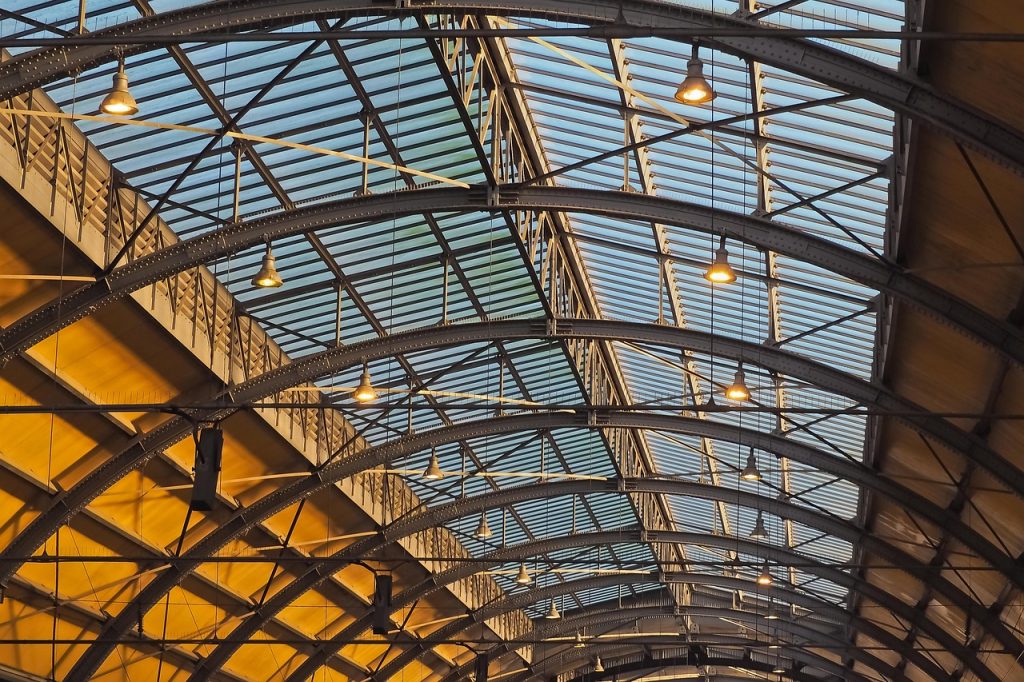
Before delving into materials and techniques, it is important to understand the fundamental functions a roof must fulfill:
Protection
The primary role of a roof is to protect the interior of a building from weather conditions such as rain, snow, wind, heat, and cold. Effective roofing prevents water infiltration and minimizes damage caused by moisture.
Insulation
Roofs contribute to the thermal performance of a building by providing insulation. Proper insulation helps maintain indoor temperatures, improves energy efficiency, and reduces heating and cooling costs.
Structural Support
Roofs distribute loads including the weight of roofing materials, snow, and equipment down to the walls and foundation. A well-designed roof structure ensures stability and safety.
Also read: 7 Best Custom Home Builders to Consider in Bali
Ventilation
Proper roof design includes systems for ventilation, which help control moisture and heat build-up in the attic or roof space, preventing mold growth and material degradation.
Aesthetics
The roof contributes to a building’s architectural style and visual appeal. Different materials and shapes create distinct looks that complement various building designs.

Common Roof Types and Their Characteristics
Roof design varies based on climate, architectural style, budget, and functional requirements. Here are some common roof types:
Gable Roof
A gable roof has two sloping sides that form a triangular shape. It is one of the simplest and most popular roof types due to its effective water drainage and relatively straightforward construction.
Hip Roof
A hip roof slopes downward on all four sides, providing increased stability and resistance to wind compared to gable roofs. Hip roofs are often used in areas with high wind exposure.
Flat Roof
Flat roofs are nearly horizontal with a slight slope for drainage. Common in commercial buildings and modern residential designs, flat roofs allow for rooftop utilities, terraces, and solar installations.
Mansard Roof
A mansard roof has two different slopes on each side, with a steeper lower slope and a shallower upper slope. It maximizes usable attic or living space.
Shed Roof
A shed roof consists of a single sloping plane. It is simple to construct and often used in additions or contemporary design projects.
Butterfly Roof
Shaped like a V, the butterfly roof slopes inward toward the center, allowing for rainwater collection and striking architectural impact.
Each roof type requires specific framing techniques, materials, and considerations for load distribution and weatherproofing.
Roofing Materials: Advantages and Disadvantages
Selecting the right roofing material is a critical decision that affects durability, performance, cost, and aesthetics. Here are the most common options:
Asphalt Shingles
Asphalt shingles are widely used due to their affordability, ease of installation, and versatility in styles and colors. They perform well in many climates. However, they have a shorter lifespan compared to premium materials and may require more frequent replacement.
Metal Roofing
Metal roofs including steel, aluminum, and copper are known for durability, fire resistance, and energy efficiency. They reflect solar radiation, reducing cooling costs. Although more expensive upfront, metal roofs can last 40 to 70 years with minimal maintenance.
Clay and Concrete Tiles
Clay and concrete tiles offer excellent thermal performance and distinctive aesthetic appeal, particularly in Mediterranean and tropical climates. They are heavy, requiring strong structural support, and can be more expensive to install.
Wood Shakes and Shingles
Wood roofing delivers natural beauty and insulation properties. Commonly made from cedar, redwood, or pine, wood shakes require regular maintenance to prevent rot, insects, and fire hazards.
Slate Roofing
Slate is one of the most durable and long-lasting materials, with lifespans exceeding 100 years. Its natural appearance and resistance to fire and weather make it a premium choice. However, slate is expensive and heavy, requiring reinforced support.
Synthetic Roofing
Modern synthetic materials mimic the look of traditional roofing (such as slate or wood) while offering improved durability and lower weight. These products are often engineered for specific climates and performance needs.
Essential Tools for Roof Construction
Roof construction requires a wide range of tools, from basic hand tools to specialized equipment. Below are tools commonly used during roofing projects:
Safety Equipment
- Hard hat: Protects against falling objects.
- Safety glasses: Shields eyes from debris.
- Gloves: Provides grip and hand protection.
- Safety harness and fall protection: Essential when working on steep roofs.
- Non-slip boots: Reduces risk of slips and falls.
Measuring and Marking Tools
- Tape measure: For accurate measurements.
- Chalk line: Used to mark straight lines on roofing surfaces.
- Carpenter’s square: Ensures right angles and accurate cuts.
Cutting Tools
- Utility knife: Cuts roofing underlayment and shingles.
- Circular saw: Used for cutting wood framing and sheathing.
- Tin snips or metal shears: For cutting metal roofing panels.
Installation Tools
- Roofing hammer or nail gun: Secures shingles or tiles.
- Screwdrivers and impact drivers: For fasteners and metal roofing screws.
- Roofing shovel or shingle remover: Removes old roofing materials.
Supporting Tools
- Ladders and scaffolding: Provide safe access to roof surfaces.
- Roof jacks and planks: Create stable work platforms.
- Caulking guns: Apply sealants for waterproofing joints.
Selecting quality tools and maintaining them properly improves work efficiency and ensures safer conditions on the job.
Roof Framing and Structural Techniques
Roof framing creates the skeleton that supports roofing materials and external loads. It must be accurately designed and constructed to ensure structural integrity and compliance with local building codes.
Rafters
Traditional roofs use rafters — sloped structural members — that extend from the ridge board at the peak to the exterior walls. Rafters provide support for roof sheathing and roofing materials.
Trusses
Prefabricated trusses are triangle-shaped assemblies of wood or metal that distribute weight evenly and simplify installation. Trusses offer consistent quality and reduce construction time compared to site-built rafters.
Sheathing
Roof sheathing (often plywood or oriented strand board) is installed over rafters or trusses. It forms a base for underlayment and roofing materials, providing stiffness and support.
Underlayment
Underlayment, such as synthetic felt or rubberized membranes, is applied over sheathing to create a waterproof barrier. This layer protects the roof structure from moisture infiltration, especially during extreme weather.
Flashing
Flashing consists of thin metal or flexible materials installed around roof penetrations such as chimneys, vents, and valleys to prevent water leaks. Proper flashing is essential for long-term leak resistance.
Roofing Techniques and Installation Processes
Roof installation involves several sequential steps, each requiring precision and care:
Preparation and Safety Setup
Before installation begins, the roof surface must be clean and structurally sound. Safety measures including fall protection and stable work platforms must be in place.
Installing the Underlayment
The underlayment is rolled out and fastened to the roof sheathing. Overlaps are consistent to ensure full coverage and waterproof protection.
Laying Roofing Materials
Depending on the chosen material (asphalt shingles, metal panels, tiles, etc.), the installation technique varies:
- Asphalt shingles are installed from the bottom edge upward, with staggered joints to prevent leaks.
- Metal roofing panels are aligned and secured with screws designed for roof applications.
- Tile roofing requires careful placement of tiles and secure attachments, often with clips or mortar.
Installing Flashing and Ventilation
Flashing goes around roof intersections and penetrations. Ridge vents, soffit vents, or other ventilation systems are installed to support airflow and minimize heat and moisture build-up.
Finishing Details
Edge trims, ridge caps, and other finishing elements complete the roof. Sealing around penetrations and inspecting the surface ensures long-lasting performance.
Roof Ventilation and Insulation
Proper ventilation and insulation are vital to a roof’s performance:
Ventilation
Adequate ventilation prevents heat and moisture from accumulating in attic spaces. Ridge vents, soffit vents, and gable vents work together to create continuous airflow, protecting roofing materials and improving interior comfort.
Insulation
Insulation reduces heat transfer, improving energy efficiency. Proper insulation slows heat loss in winter and prevents heat gain in summer. Choices include fiberglass batts, spray foam, and rigid insulation boards.
Together, ventilation and insulation enhance indoor air quality, reduce energy bills, and extend the lifespan of roofing materials.
Common Roof Problems and Maintenance
Even well-constructed roofs require routine maintenance and timely repairs:
Leaks
Water infiltration is the most common issue. Leaks often occur around flashing, roof penetrations, or damaged shingles/tiles.
Cracked or Missing Materials
Weather, UV exposure, and aging can lead to cracked tiles or curled shingles. Repairing or replacing damaged materials prevents further damage.
Clogged Gutters
Debris in gutters causes water backup, which can damage the roof edge and fascia. Regular gutter cleaning helps protect the roof and building foundation.
Mold and Algae
Moisture retention can cause mold growth or dark streaks on roofing surfaces. Proper ventilation and selecting materials with protective coatings can reduce this issue.
Routine inspections especially after severe weather help identify problems early and avoid costly repairs.
Sustainable Roofing Practices
Green building principles increasingly influence roof construction. Sustainable roofing strategies include:
Cool Roofs
Cool roofing materials reflect sunlight and reduce heat absorption, lowering cooling energy demands and improving comfort.
Green Roofs
Vegetative or green roofs incorporate living plants over a waterproof membrane. They enhance insulation, reduce urban heat islands, and improve stormwater management.
Also read: 7 Best Custom Furniture Companies in Bali
Solar Integration
Solar panels can be integrated into roofing systems, generating renewable energy and reducing operating costs.
Recycled Materials
Using recycled roofing materials reduces resource consumption and landfill waste.
Sustainable roof design benefits the environment and often delivers long-term cost savings.
Hiring Professionals vs. DIY
Roof construction can be complex and hazardous. Many tasks especially structural framing, waterproofing, and material installation are best handled by trained professionals. Licensed roofers bring experience, safety training, and compliance with building codes.
However, some homeowners choose DIY for small repairs or simple installations. If attempting any work yourself, prioritize safety, use proper equipment, and seek guidance from credible sources.
Conclusion
Roof construction is a multifaceted discipline that combines engineering, materials science, craftsmanship, and safety awareness. Whether you are building a new roof or renovating an existing one, understanding the right materials, tools, framing techniques, and installation methods is critical to achieving a durable, energy-efficient, and weather-resistant result.
From traditional materials like asphalt shingles and clay tiles to modern sustainable options and advanced ventilation systems, roofing continues to evolve. By mastering these fundamentals, readers can make informed decisions whether hiring professionals, supervising construction, or tackling projects with confidence. A well-constructed roof not only protects a building but also enhances comfort, efficiency, and long-term value.


Gracia Rena
Gracia is a co-owner of the company and a seasoned professional with over 20 years of experience in the hospitality industry. Her impressive background includes roles at major organizations such as Marriott, Accor, Banyan Tree, Sudamala, and Singapore Airlines.
With a profound understanding of luxury service standards and operational excellence, Gracia brings invaluable expertise to the business. Her strategic insight and dedication to quality have been instrumental in shaping the company’s growth, ensuring its continued reputation for delivering exceptional value and innovation in hospitality and commercial projects across the region.