

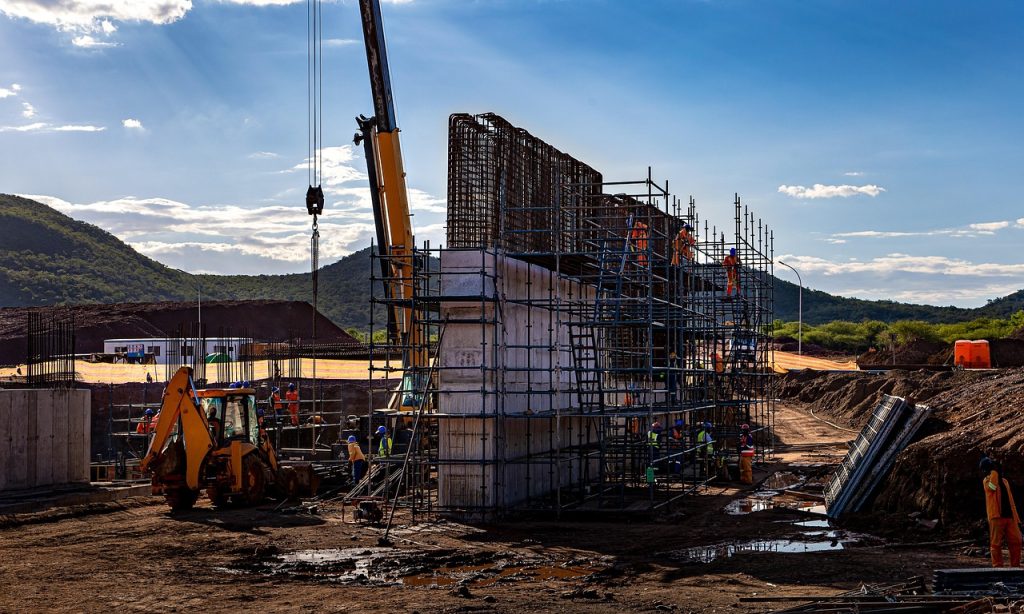
The construction industry plays a crucial role in shaping the modern world, but it is also one of the largest contributors to environmental degradation. From high energy consumption and carbon emissions to excessive waste generation and resource depletion, traditional construction practices have placed significant strain on the planet.
Sustainable construction focuses on minimizing negative environmental impacts while maximizing efficiency, durability, and human comfort. It considers the entire lifecycle of a building, from design and material sourcing to construction, operation, maintenance, and eventual demolition. By adopting sustainable strategies, the construction sector can significantly reduce its ecological footprint while creating healthier, more resilient communities.
What is Sustainability in Construction?
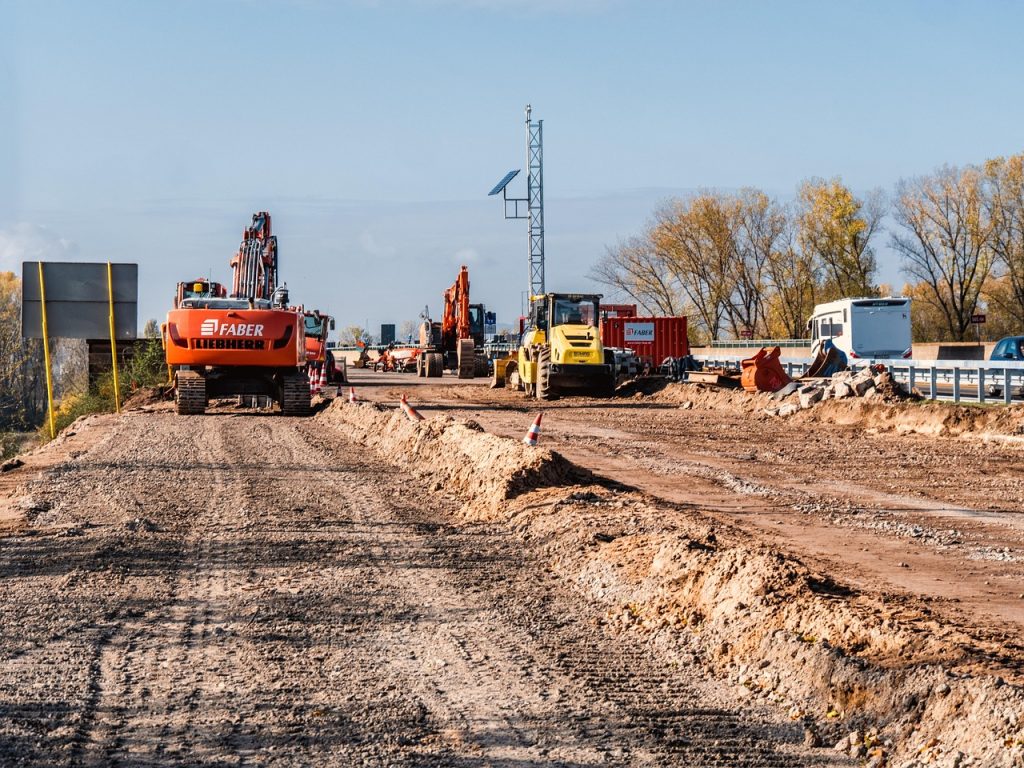
Sustainability in construction refers to the practice of designing, constructing, operating, and decommissioning buildings in ways that reduce environmental harm and support long-term ecological balance. It integrates environmental, economic, and social considerations into every stage of the construction process.
Environmentally, sustainable construction aims to lower carbon emissions, reduce energy and water consumption, minimize waste, and protect natural ecosystems. Economically, it focuses on cost efficiency over a building’s lifespan rather than just upfront costs. Socially, it promotes occupant health, safety, comfort, and community well-being.
Rather than focusing on a single solution, sustainability in construction is a holistic approach that requires coordination between architects, engineers, contractors, suppliers, policymakers, and building occupants.
Also read: 7 Leading Construction Companies in Uluwatu for High-End Bali Villa
Why Sustainability Matters in the Construction Industry
The construction sector is responsible for a substantial portion of global greenhouse gas emissions, largely due to energy-intensive materials such as cement and steel, as well as inefficient building operations. Additionally, construction activities generate massive amounts of waste, much of which ends up in landfills.
Beyond environmental impact, unsustainable construction practices often lead to higher long-term costs. Buildings with poor insulation, inefficient systems, and low-quality materials require more energy, frequent repairs, and early replacement. In contrast, sustainable buildings tend to offer lower operational costs, increased asset value, and improved resilience against climate-related risks.
As governments tighten regulations and consumers demand environmentally responsible buildings, sustainability has become a competitive advantage. Companies that fail to adapt risk falling behind in an industry that is rapidly evolving.

Sustainable Design Principles
Sustainable construction begins at the design stage. Decisions made during planning have a greater impact on a building’s environmental performance than those made later.
One key principle is passive design. This involves optimizing building orientation, layout, and materials to maximize natural light, ventilation, and thermal performance. Proper orientation can reduce the need for artificial lighting and air conditioning, significantly lowering energy consumption.
Another principle is compact and efficient space planning. Buildings that use space efficiently require fewer materials and less energy to operate. Designing flexible spaces that can adapt to future needs also extends a building’s useful life, reducing the need for demolition and reconstruction.
Sustainable design also emphasizes integration with the surrounding environment. Preserving existing vegetation, managing stormwater naturally, and respecting local ecosystems help reduce environmental disruption and enhance biodiversity.
Sustainable Construction Materials
Material selection is one of the most critical aspects of sustainable construction. Traditional materials often require high energy inputs and generate significant emissions during production. Sustainable materials aim to reduce these impacts while maintaining performance and durability.
Recycled and reclaimed materials, such as recycled steel, reclaimed wood, and recycled concrete, reduce the demand for virgin resources and lower waste generation. Locally sourced materials also play an important role by minimizing transportation emissions and supporting local economies.
Renewable materials, including bamboo and sustainably harvested timber, are gaining popularity due to their low environmental impact and rapid renewability. Advanced materials such as low-carbon concrete and engineered wood products offer strong performance with reduced emissions.
Material durability is equally important. Long-lasting materials reduce the frequency of replacement and maintenance, conserving resources over time and lowering lifecycle costs.
Energy Efficiency and Renewable Energy
Energy efficiency is a cornerstone of sustainable construction. Buildings consume a large share of global energy, particularly for heating, cooling, lighting, and appliances. Improving energy performance not only reduces environmental impact but also lowers operating costs.
High-performance building envelopes, including insulation, airtight construction, and energy-efficient windows, significantly reduce heat loss and gain. Efficient heating, ventilation, and air conditioning systems further optimize energy use.
Lighting efficiency has also improved dramatically with the widespread adoption of LED technology and smart lighting controls. These systems adjust lighting levels based on occupancy and daylight availability, reducing unnecessary energy consumption.
Renewable energy integration is becoming increasingly common in sustainable buildings. Solar panels, solar water heaters, and geothermal systems allow buildings to generate clean energy on-site, reducing reliance on fossil fuels. In some cases, buildings can produce more energy than they consume, contributing excess power back to the grid.
Water Conservation and Management
Water scarcity is a growing global concern, making water efficiency a vital component of sustainable construction. Buildings can significantly reduce water consumption through thoughtful design and technology.
Low-flow fixtures, water-efficient appliances, and smart plumbing systems help minimize water use without compromising comfort. Rainwater harvesting systems collect and store rainwater for non-potable uses such as irrigation and toilet flushing.
Greywater recycling systems treat water from sinks and showers for reuse, further reducing demand on freshwater supplies. Landscaping with native and drought-tolerant plants also minimizes irrigation needs while enhancing local biodiversity.
Effective stormwater management is another important consideration. Sustainable drainage systems help control runoff, reduce flooding risks, and prevent pollution of natural waterways.
Waste Reduction and Circular Construction
Construction and demolition waste represent a significant environmental challenge. Sustainable construction aims to reduce waste generation and promote reuse and recycling.
Careful planning and accurate material estimation help prevent over-ordering and unnecessary waste. Modular construction and prefabrication allow components to be manufactured off-site with greater precision, resulting in less waste and improved quality control.
Recycling construction waste, such as metal, concrete, and wood, diverts materials from landfills and reduces the need for new resources. Some projects also incorporate design-for-disassembly principles, allowing buildings to be easily dismantled and materials reused at the end of their life.
This circular approach to construction supports a more sustainable industry by keeping materials in use for as long as possible.
Digital Technology and Smart Construction
Digital innovation plays an increasingly important role in sustainable construction. Technologies such as Building Information Modeling enable teams to simulate building performance, identify inefficiencies, and optimize designs before construction begins.
Smart building systems monitor energy use, indoor air quality, lighting, and temperature in real time. These systems automatically adjust settings to improve efficiency and occupant comfort while reducing waste.
Construction technology also improves site efficiency. Digital scheduling, automated equipment, and data-driven project management reduce delays, rework, and material waste, contributing to more sustainable outcomes.
Health, Safety, and Social Sustainability
Sustainability extends beyond environmental performance to include human health and social responsibility. Sustainable buildings prioritize indoor environmental quality, including proper ventilation, natural lighting, and low-emission materials.
Good indoor air quality reduces health risks and improves productivity, particularly in workplaces and schools. Access to daylight and views of nature has been shown to enhance mental well-being and overall comfort.
Social sustainability also involves ethical labor practices, worker safety, and community engagement. Sustainable construction projects aim to provide safe working conditions, fair wages, and opportunities for local employment, strengthening the social fabric of communities.
Challenges to Sustainable Construction
Despite its benefits, sustainable construction faces several challenges. Higher upfront costs can deter investment, even though long-term savings often outweigh initial expenses. Limited availability of sustainable materials and skilled professionals can also slow adoption.
In some regions, lack of awareness or resistance to change remains a barrier. However, as technology advances and demand grows, sustainable solutions are becoming more accessible and cost-effective.
Clear regulations, incentives, and education are essential to overcoming these challenges and accelerating the transition toward greener construction practices.
Also read: 7 Best Architect Firms in Sanur for Timeless Bali Tropical Designs
The Future of Sustainable Construction
The future of construction is inherently sustainable. As climate pressures intensify and resource constraints become more evident, the industry will continue to evolve toward low-carbon, resilient, and circular practices.
Innovations in materials science, renewable energy, digital technology, and design will further enhance building performance. Collaboration between governments, industry leaders, and communities will play a critical role in scaling sustainable solutions.
Ultimately, sustainable construction is not just about buildings; it is about creating environments that support people, protect the planet, and promote long-term prosperity.
Conclusion
Sustainability in construction represents a fundamental shift in how buildings are designed, built, and operated. By embracing sustainable materials, energy efficiency, water conservation, waste reduction, and digital innovation, the construction industry can significantly reduce its environmental impact while delivering economic and social benefits.
Building a greener future requires commitment, collaboration, and continuous improvement. As sustainable practices become standard rather than exceptional, construction will play a powerful role in addressing global challenges and shaping a healthier, more resilient world for generations to come.


Indah Suzanne
Indah Suzanne is a key player in Indonesia's design and architecture scene, leading Karyanusa Asia from Bali. As the driving force behind Karyanusa Asia in Bali, she combines innovative design concepts with exceptional construction expertise, delivering world-class villas, commercial spaces, and bespoke architectural projects that reflect both modern elegance and the island’s rich cultural heritage.