

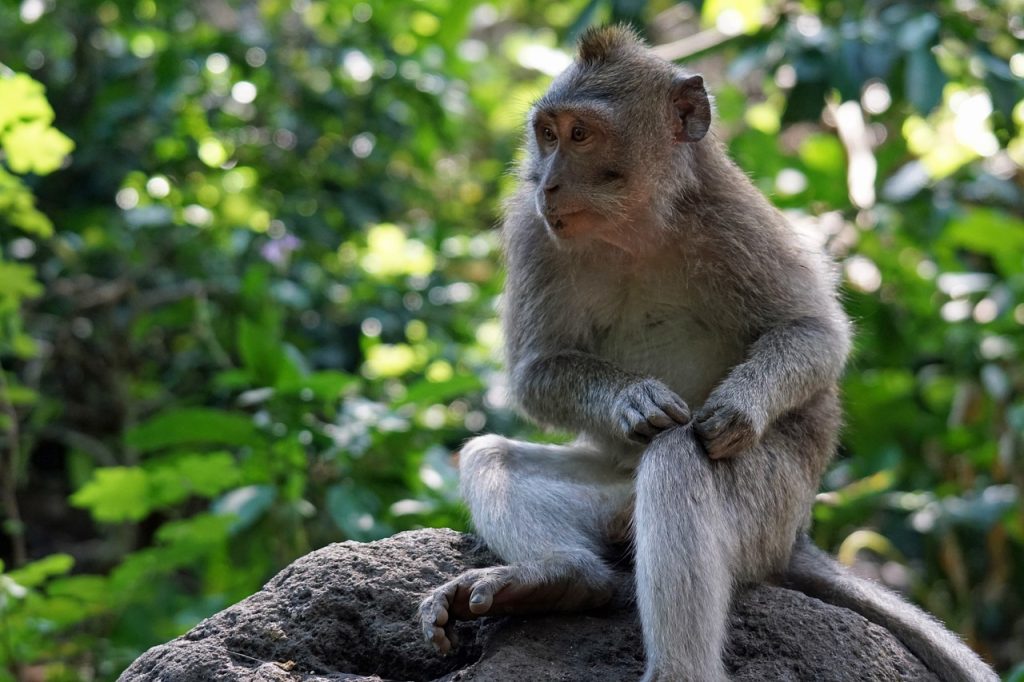
Bali, Indonesia, is a paradise not only for its stunning beaches, terraced rice fields, and vibrant culture but also for its unique wildlife. Among the island’s most fascinating residents are its monkeys. Playful, curious, and often mischievous, these primates are a major attraction for visitors.
Whether you’re a wildlife enthusiast, a photographer, or a curious traveler, encountering Bali’s monkeys offers an unforgettable experience. This guide provides in depth knowledge about the monkeys of Bali, including where to find them, how to interact safely, their cultural significance, and conservation efforts.
Introduction to Monkeys in Bali
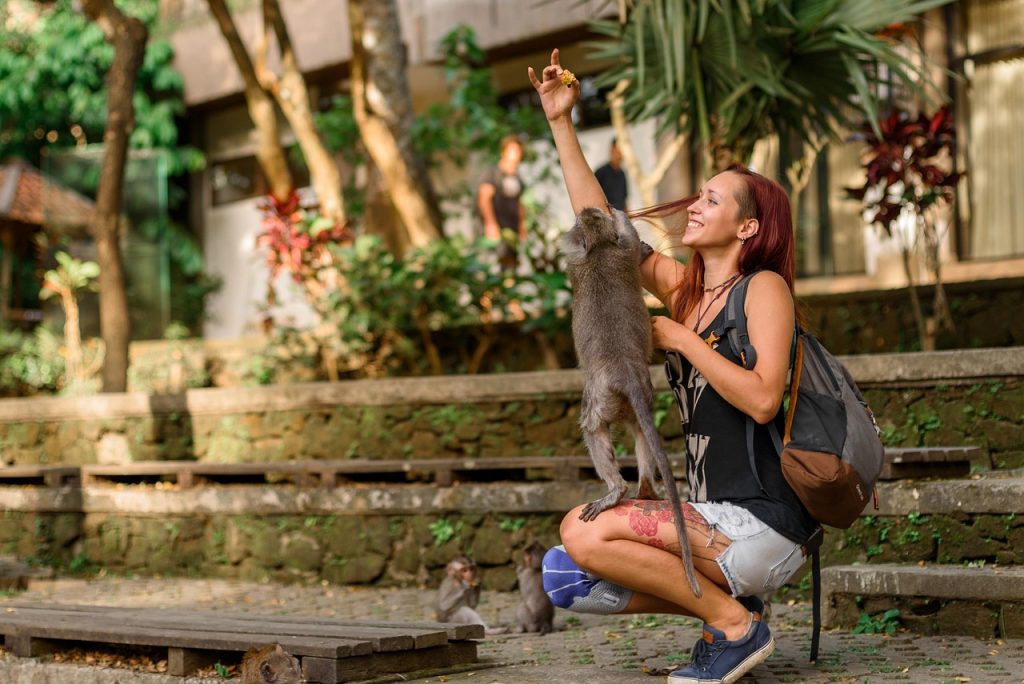
Monkeys are a common sight in Bali, especially in areas with dense forests and temples. Among them, the Long-tailed macaque (Macaca fascicularis) is the most prominent species found on the island. These monkeys are known for their intelligence, agility, and curious nature, making them a fascinating subject for visitors.
Bali’s monkeys are not just wildlife attractions; they are also intertwined with Balinese mythology and religious practices, symbolizing protection, wisdom, and balance.
Types of Monkeys Found in Bali
Bali hosts primarily one species of monkey, but they display varied behaviors depending on their habitat. Here are the key types:
1. Long-Tailed Macaques
- Scientific Name: Macaca fascicularis
- Description: Medium-sized monkeys with brown-grey fur and long tails, known for their social hierarchy and playful antics.
- Behavior: Highly intelligent, capable of learning from humans, often seeking food from visitors.
Also read: 7 Best Architect Firms in Sanur for Timeless Bali Tropical Designs
2. Occasional Wild Monkeys
- Some areas, particularly near forests and rivers, may have wild macaques with slightly different features. While rarer, spotting these monkeys can be a memorable experience.

Top Monkey Forests and Sanctuaries in Bali
Bali is home to several dedicated monkey sanctuaries and temples where tourists can interact safely with the primates.
1. Ubud Monkey Forest (Sacred Monkey Forest Sanctuary)
- Location: Ubud, Gianyar
- Highlights:
- Home to over 700 monkeys
- Ancient temples inside the forest
- Walking trails surrounded by lush greenery
- Visitor Tips: Avoid carrying loose items; monkeys are skilled at grabbing bags, sunglasses, and food.
2. Sangeh Monkey Forest
- Location: Sangeh, near Denpasar
- Highlights:
- Famous for the nut trees that attract monkeys
- Quieter than Ubud Monkey Forest, ideal for nature lovers
- Visitor Tips: Bring small bananas or peanuts if you want to feed them under supervision.
3. Alas Kedaton Monkey Forest
- Location: Mengwi, near Tanah Lot
- Highlights:
- Peaceful environment with a smaller population of monkeys
- Giant banyan trees creating scenic walking paths
- Visitor Tips: Great for photography due to scenic backgrounds and calmer monkeys.
4. Other Notable Sites
- Padangtegal Forest (Ubud area)
- Taro Monkey Forest (lesser-known, ideal for quiet visits)
Best Time to Visit Bali Monkeys
The ideal time to visit Bali monkeys is during the dry season (April to October) when the forest trails are accessible, and monkeys are more active during the cooler mornings.
- Morning Visits (8 AM – 11 AM): Monkeys are highly active, best for observation and photography.
- Afternoon Visits (2 PM – 4 PM): Less crowded, better for calm encounters.
What to Expect When Visiting Monkeys
Visiting monkey forests is an immersive experience combining wildlife observation, cultural exploration, and nature walks. Here’s what you can expect:
- Playful Behavior: Monkeys jumping between trees, chasing each other, and interacting with visitors.
- Feeding Interactions: Some forests allow supervised feeding, but feeding wild monkeys is generally discouraged to prevent aggressive behavior.
- Temple Exploration: Many forests contain sacred temples where monkeys coexist with spiritual practices.
Safety Tips for Interacting with Monkeys
While monkeys are fascinating, it’s essential to follow safety guidelines:
- Do Not Touch or Chase Monkeys: They may bite or scratch if threatened.
- Secure Belongings: Monkeys are notorious for stealing bags, cameras, and sunglasses.
- Avoid Eye Contact: Direct staring can be perceived as a threat.
- Follow Local Guides: They understand monkey behavior and will ensure safe interactions.
- Vaccinations: Ensure you are up-to-date with tetanus and rabies vaccinations.
Cultural Significance of Monkeys in Bali
Monkeys are more than wildlife in Bali—they have deep cultural and spiritual significance:
- Hindu Mythology: Monkeys represent Hanuman, the god of strength and devotion, in Balinese Hinduism.
- Temple Guardians: Many temples in Bali have monkeys that act as spiritual protectors.
- Local Traditions: Monkeys are sometimes involved in ceremonies, highlighting their sacred role.
Photography Tips for Monkey Encounters
Capturing Bali’s monkeys requires patience and preparation:
- Use a Zoom Lens: Avoid close contact; zoom for detailed shots.
- Natural Lighting: Morning light offers soft, golden tones ideal for photography.
- Patience and Observation: Monkeys move quickly, so observe before taking photos.
- Avoid Flash: Flash can startle monkeys and disrupt their natural behavior.
Also read: 7 Best SEO Agencies in Bali to Grow Your Business Online
Conservation Efforts and Ethical Tourism
Balinese authorities and local communities are committed to protecting monkey populations:
- Sanctuary Management: Forests are maintained to provide natural habitats for monkeys.
- Feeding Guidelines: Visitors are discouraged from feeding monkeys outside designated areas.
- Tourism Education: Guides educate visitors about respectful and safe interactions.
- Research Projects: Ongoing studies help understand monkey behavior, health, and habitat preservation.
Visiting these sanctuaries responsibly contributes to the preservation of Bali’s unique wildlife.
Conclusion
Bali’s monkeys offer an extraordinary glimpse into the island’s natural and cultural richness. From the bustling Ubud Monkey Forest to the serene Alas Kedaton, encounters with these primates can be both thrilling and enlightening.
By respecting their natural behavior, following safety tips, and supporting conservation efforts, visitors can enjoy an unforgettable experience while contributing to the protection of Bali’s wildlife heritage. Whether you are a nature lover, a photographer, or a cultural enthusiast, Bali’s monkeys are an essential part of your island adventure.


Rafini
Rafini is a seasoned marketing sales expert with over 15 years of experience in the hospitality industry, specializing in commercial renovation in Bali. Having honed her skills at renowned establishments like Accor and Anantara, she possesses a deep understanding of client needs and market dynamics.
Currently serving as a Regional Manager, Rafini excels in driving sales strategies and fostering strong relationships to enhance brand visibility and profitability across her region.